| Network element | Role in the system | Planning use |
|---|---|---|
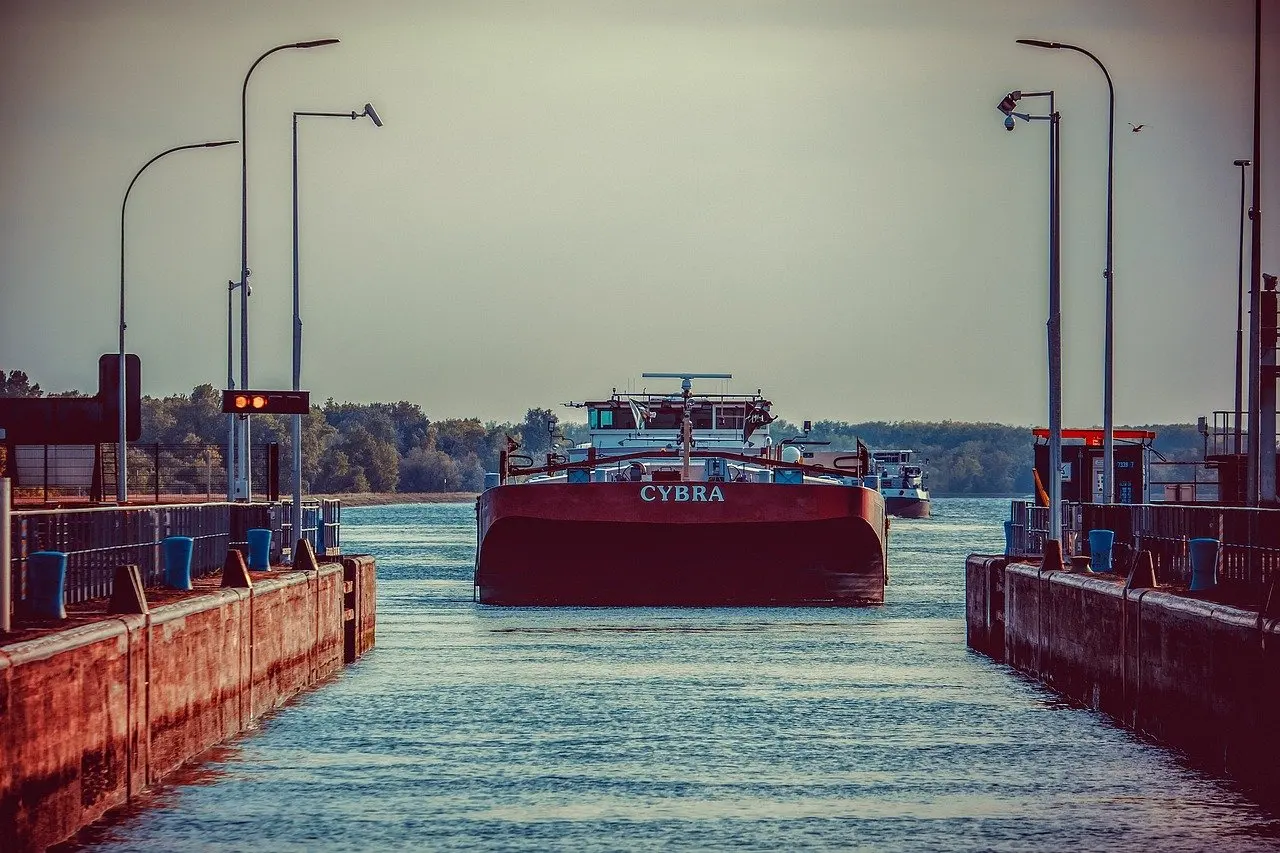
| Panama Canal | Waterway link between the Atlantic and Pacific sides of the country | Decide first whether cargo needs to pass through the waterway or only to be handled at its ends |
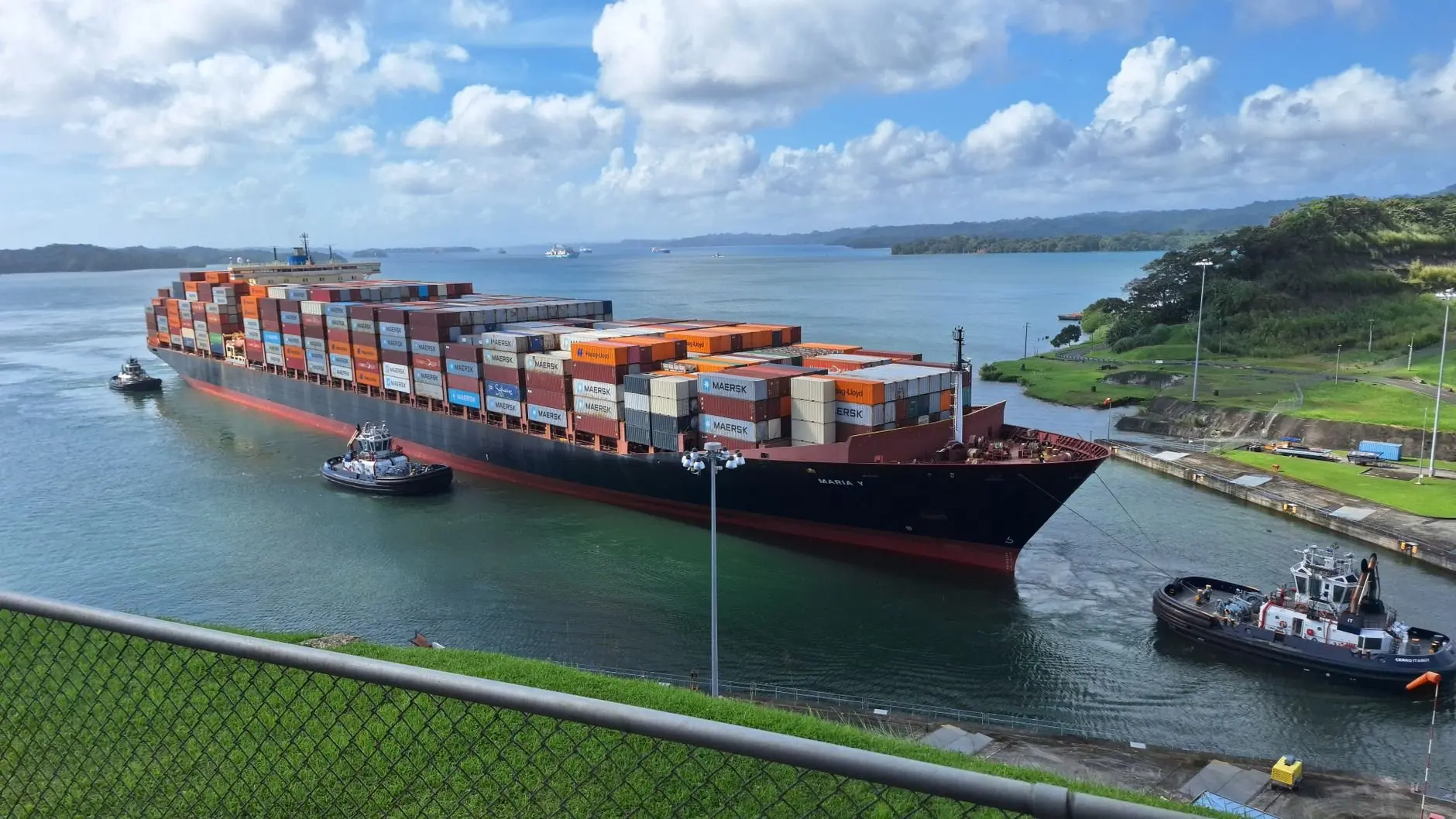
| Seaports | Terminals on both coasts that receive, transfer and dispatch containers | Match the terminal to the coast where the cargo enters or leaves |
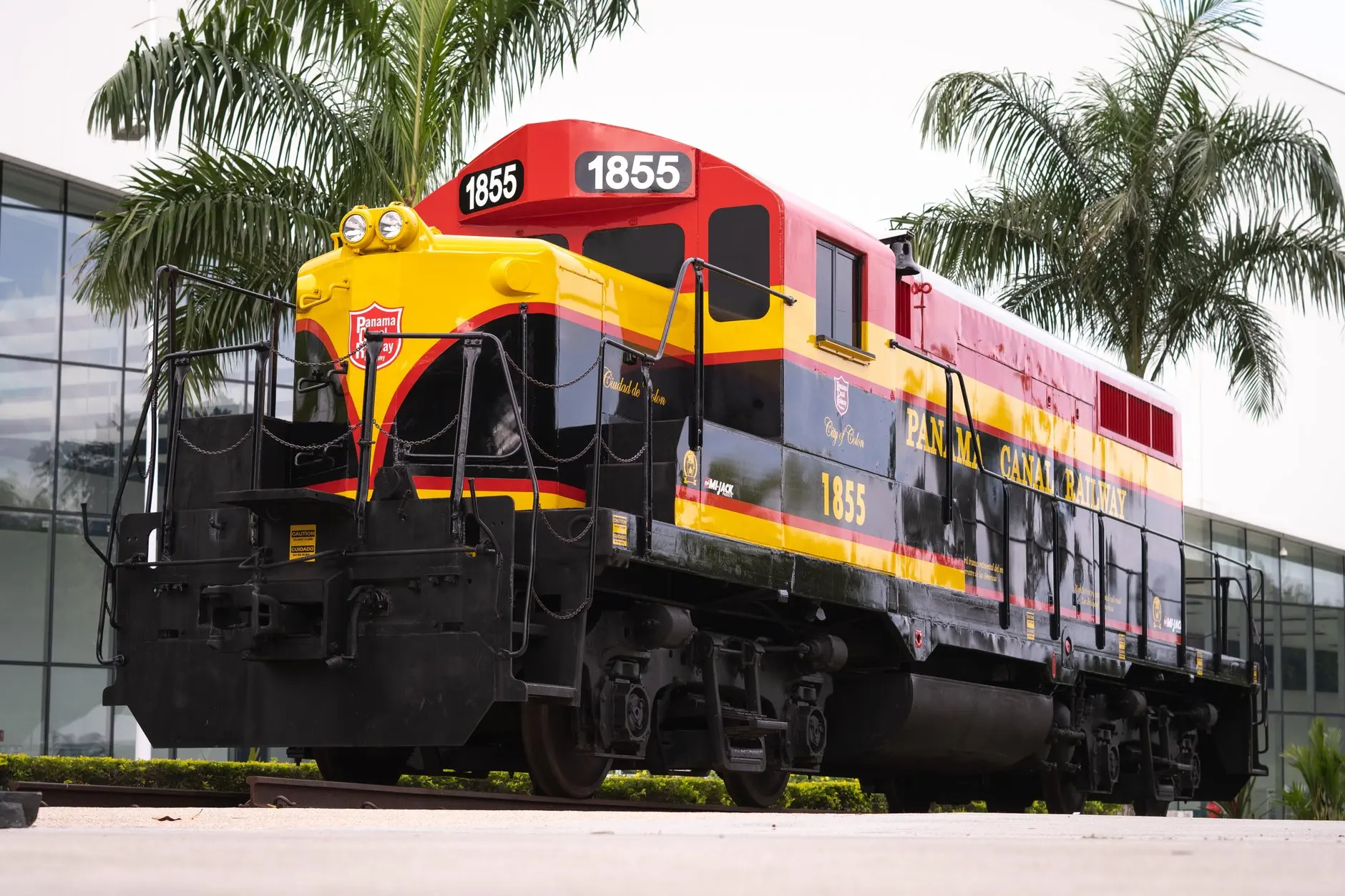
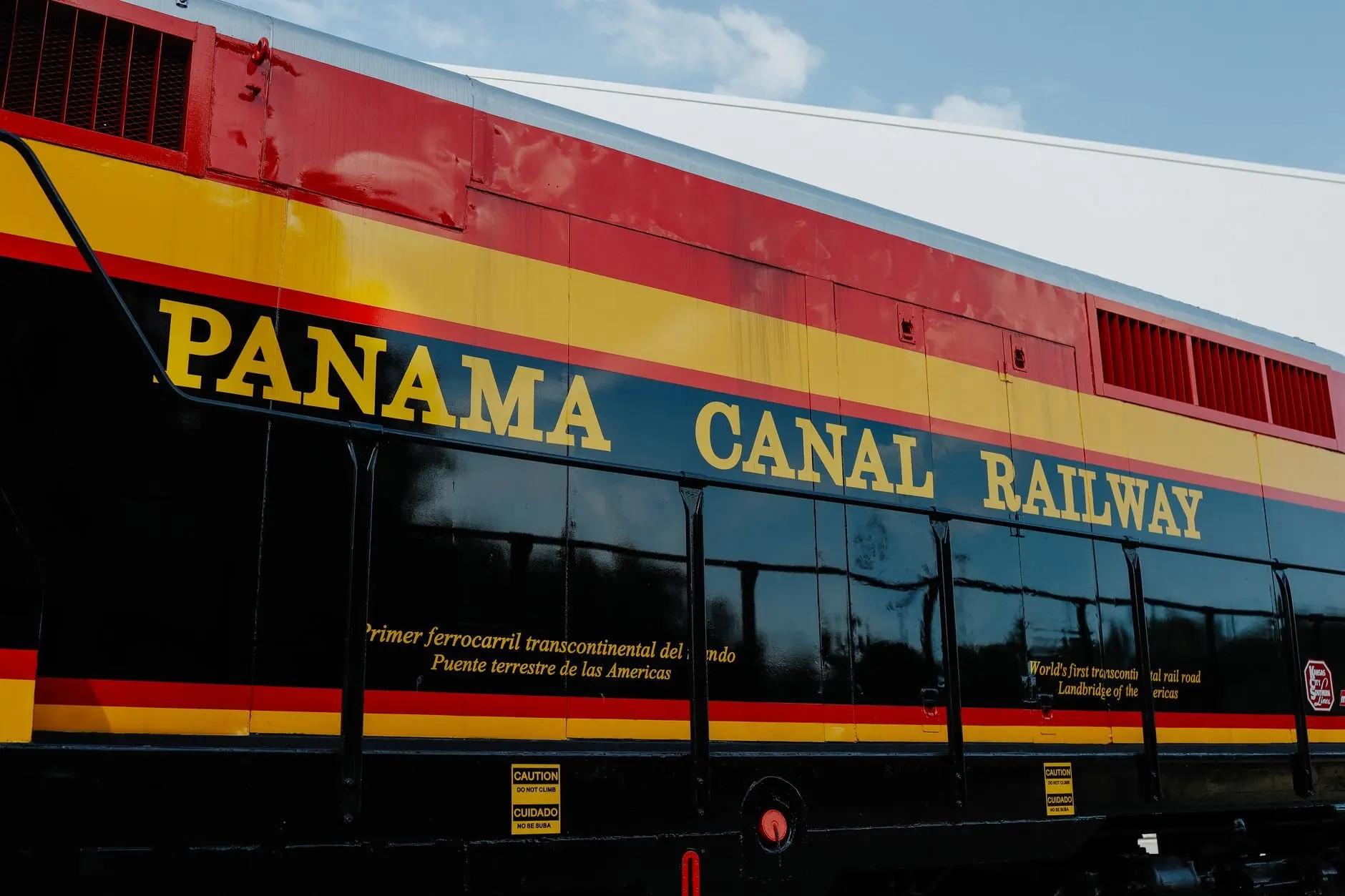
| Panama Canal Railway | Rail connection between the two coasts | Consider it when cargo must cross land between oceans rather than transit the waterway |
| Colon Free Trade Zone | Free zone for storage, distribution and trade near the Atlantic port cluster | Suits goods that are held and redistributed rather than moved straight through |
| Airports | Air cargo capacity for time-sensitive freight | Reserve for urgent or high-value shipments that cannot wait for sea schedules |
| Road networks | Truck links between ports, free zones and customers | Plan the last leg and the transfer between terminals |
Georgia Tech Panama’s project list models these same assets, including seaports, airports, the Panama Canal, the Free Trade Zone, railroads and road networks, as parts of one national logistics system.
The Panama logistics hub works as one connected system: the canal, ports on both coasts, a rail link, air cargo and free zones. The best starting point depends on whether cargo is passing through, being stored, or being imported.
This guide orients readers across that system. Where a topic has its own detailed page, a link points to it, beginning with how does the panama canal work for readers who want the waterway mechanics before anything else.
Why Panama works as a logistics hub
Panama is a logistics hub because several kinds of infrastructure sit close together and are designed to be used in combination. Georgia Tech Panama’s logistics research center describes the country’s logistics assets as seaports, airports, the Panama Canal, the Free Trade Zone, railroads and road networks. It presents the country as the Hub of the Americas, with a world-class logistics and distribution platform.
That description matters for planning because it frames the assets as a platform rather than a list of separate facilities. A shipper who thinks only about the canal will miss the decisions made at terminals, in the free zone and on the roads between them. A shipper who thinks only about a single port will miss the options for moving cargo by rail or by truck to the opposite coast.
One system, several jobs
Each element does a different job, and the useful question is which job a given shipment needs done.
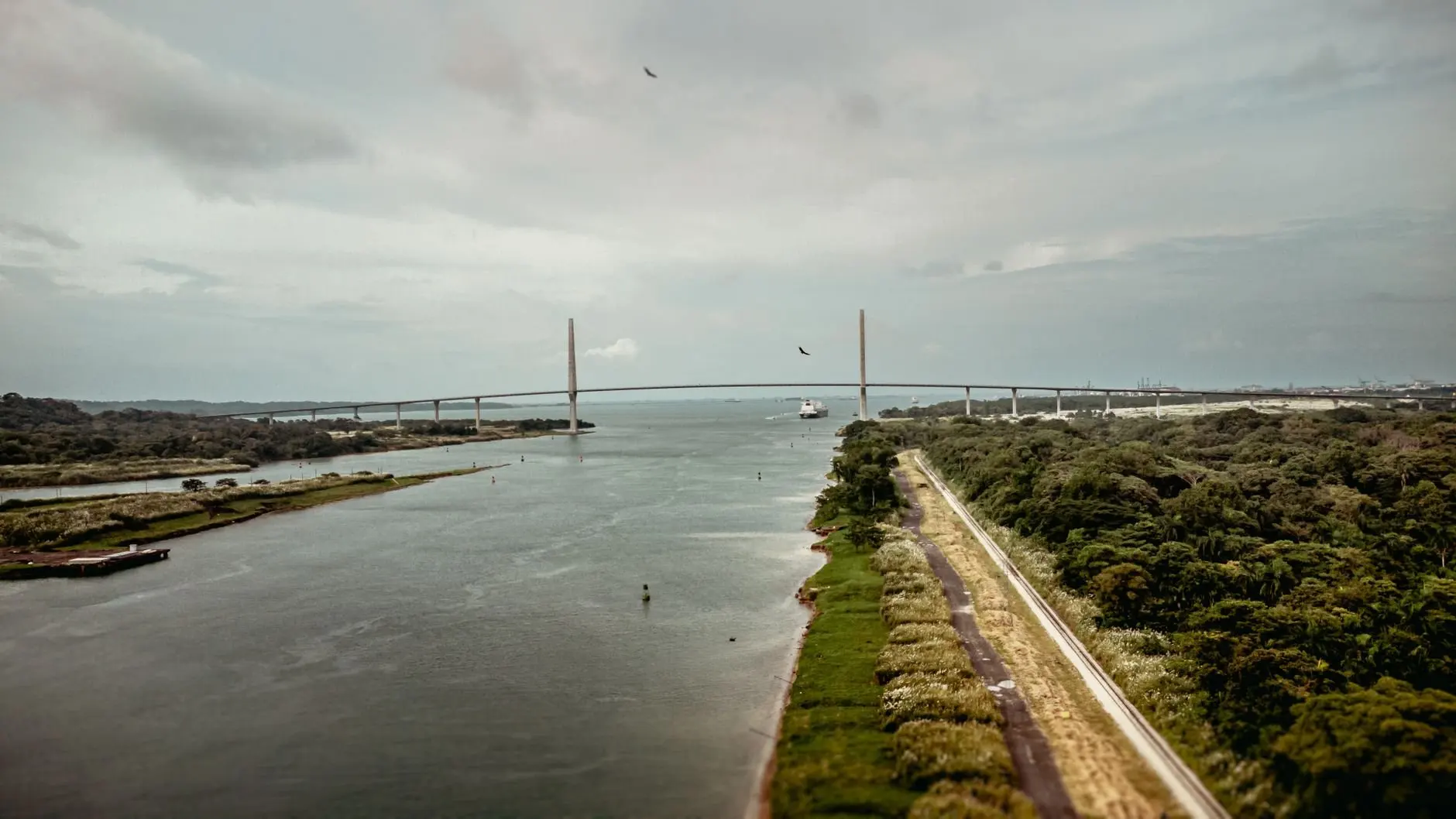
- Passage: the canal serves vessels that need to get from one ocean to the other.
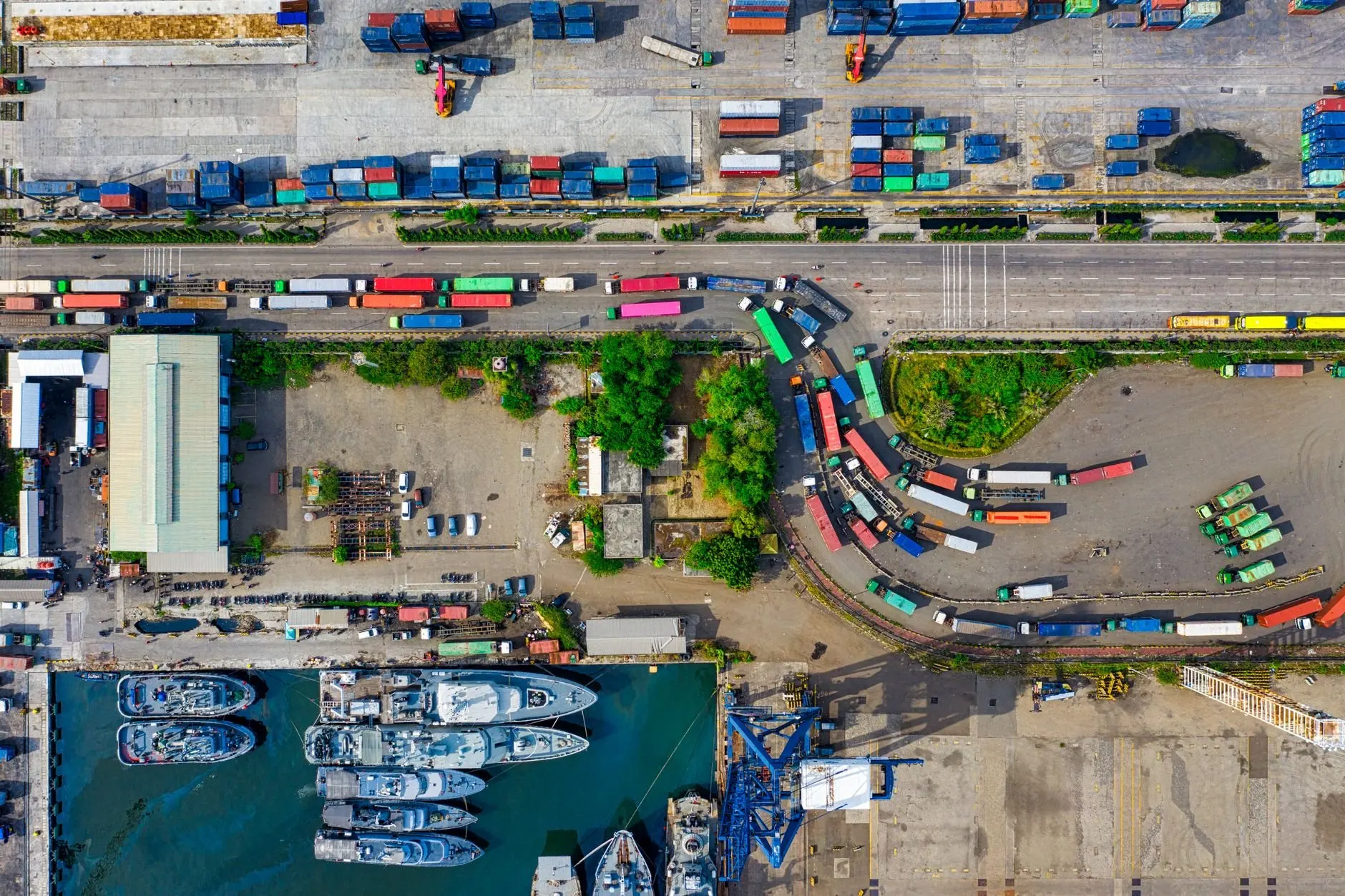
- Handling and transfer: ports receive containers, store them briefly and pass them to another ship, a train or a truck.
- Storage and distribution: the free zone holds goods and redistributes them to buyers.
- Speed: airports carry cargo whose value depends on arriving quickly.
- Connection: rail and road links tie everything together on land.
Why the connected view helps buyers
The connected view helps because delays and costs often appear at the joins between modes rather than inside any one of them. The same research center runs a national logistics observatory that consolidates, on a single site, indicators for monitoring and analysing the country’s logistics activity. For a planner, that signals where the system is measured and where comparison between nodes is possible.
The canal corridor
The canal is the feature most people associate with Panama, and it is the right place to begin only if the cargo is travelling aboard a vessel that must change oceans. For cargo that merely needs to be handled in Panama, the canal is background rather than the main decision.
Understanding the waterway
Readers who need the mechanics of locks, lake sections and transit sequence should start with the guide that explains how the canal operates. Readers focused on larger vessels should read about the panama canal expansion, because the newer lock system changes which ships can use the waterway. Both topics shape how carriers choose routes, and neither is something a cargo owner can decide alone.
Who runs it
Operation of the waterway rests with a single institution, and understanding its role helps when reading notices on scheduling or capacity. The panama canal authority page explains what the institution is responsible for, which is the right reference when deciding whom a notice or a rule comes from.
Costs and conditions
Two topics affect carriers more directly than shippers and still filter down into freight rates and schedules. The first is pricing: panama canal tolls explains how transit charges work. The second is water: panama canal drought restrictions covers how water levels can limit the depth of vessels allowed through. A shipper who has flexibility in timing or routing should read both before committing to a long contract that depends on the waterway.
When the canal is not the right fit, the comparison with other routes is the next step. The page on panama canal vs suez canal sets the waterway against its competing options, which suits planners weighing a route rather than a port.
Ports and terminals on both coasts
Seaports are where Panama’s connected system turns from a transit corridor into a place where cargo is actually handled. Georgia Tech Panama lists seaports among the core logistics assets it models, and its Panahub portal evaluates the performance of transshipment by land for the port cluster. That second point shows that ports are treated as a group linked by land movements, not as isolated terminals.
Getting oriented
For a broad picture of the terminals, use the overview of ports in panama. It is the right first read for anyone who has not yet decided which coast their cargo should use, because it frames the choice before the detail of individual terminals.
Pacific and Atlantic choices
The choice between coasts follows where the cargo enters or leaves the country and where it needs to go next. On the Pacific side, the port of balboa panama guide covers that terminal alongside Cristobal. On the Atlantic side, the manzanillo international terminal panama guide explains the container terminals around Colon.
- Choose by cargo origin and destination. If the route continues on a ship leaving from the same coast, the nearest terminal usually keeps handling simple.
- Choose by the next mode. If cargo must continue by rail or truck to the opposite coast, plan the land leg at the same time as the terminal.
- Choose by what happens in Panama. If goods will be stored or redistributed, the Atlantic cluster near the free zone deserves attention first.
Moving cargo between the Atlantic and Pacific
Cargo can cross Panama by sea through the canal or by land through rail and road, and the correct choice depends on what is being moved and why. The canal moves whole vessels. Land crossings move containers between ships on different coasts, which is the logic behind transshipment by land.
The sea route
A vessel that stays loaded and passes through the waterway keeps its cargo aboard throughout. This is the simplest option for a shipper because Panama’s land infrastructure is not involved, but it leaves the shipper dependent on the carrier’s route choice and on canal conditions such as those covered under drought restrictions.
The rail link
The panama canal railway provides the land alternative, with a rail connection between the two sides of the country. It is worth considering when containers need to move from a ship on one coast to a ship on the other without the vessel itself making the passage.
The railway is one component of a wider network, and its value rises when terminals at each end are chosen to fit it. Selecting a port without checking how containers will reach the train, or how they will leave the train at the other end, wastes the advantage the rail link offers.
Roads and trucking
Trucks cover the gaps that rail and ports do not. Georgia Tech Panama describes a land cargo flow monitoring platform that lets trucking companies know, in almost real time, the total operation time when travelling to the main logistics points. For a dispatcher, that kind of information turns a terminal visit from an unknown wait into a planning input, and it is a reason to include truck timing in any cross-country plan.
How to choose
- Keep the cargo on the ship when the carrier’s route already passes through the canal and no handling in Panama is needed.
- Use the land bridge when containers must change vessels, or when a carrier serves each coast separately.
- Add trucking when the final destination or the origin is inland, or when a terminal and a free-zone warehouse need to be linked.
The Colon Free Trade Zone and distribution
The Free Trade Zone is where cargo stops being only in transit and becomes inventory. Georgia Tech Panama includes it among the core assets of the national logistics system, and it is the element most relevant to buyers who need to hold goods before reselling or redistributing them.
What the zone suits
The colon free trade zone guide covers how the zone operates and who uses it. As a planning rule, the zone suits businesses that receive goods in volume and send them on in smaller lots, because the free zone separates storage and distribution from the formalities of importing into the national market.
When another option is better
A shipper whose goods go straight to a customer in Panama gains little from routing them through a free zone first. Cargo that is only passing from one ship to another may also be better served by terminal transshipment than by warehousing. The zone earns its place when goods will wait, be sorted or be split before moving on.
Air cargo through Tocumen
Air freight fills the gap that sea and land cannot: speed. Airports are part of the asset set Georgia Tech Panama models, and the Tocumen airport is the main gateway for air cargo.
Matching cargo to air
Air is the right choice when the cost of delay exceeds the cost of the faster mode. Typical candidates are urgent spare parts, perishable or high-value items, and replenishment for a distribution operation that cannot afford a stockout. Bulky or low-value goods rarely justify it.
Carrier role
The country’s home carrier plays a large part in how air cargo connects Panama to other markets. The guide to copa airlines cargo explains how its hub role works for freight, which is where a shipper should look when planning space and connections by air.
Customs and importing into Panama
Customs requirements for importing into Panama depend on the classification of the goods, and the first practical step is to identify the correct tariff item. Georgia Tech Panama describes an interactive tool for searching detailed information on the more than 9,000 import tariff items in Panama. Searching that tool before booking helps an importer understand how the goods are classified before they arrive.
Container checks
A second tool addresses the container itself. The same research center describes VACONT, which validates containers to verify that they meet the requirements to complete their flow through the national logistics system, whether the flow is transshipment, import, export or transit. The practical meaning is that the type of flow determines which requirements apply, so an importer should declare the flow type correctly from the start.
Tools at a glance
| Tool | What it does | Planning use |
|---|---|---|
| Import tariff search | Interactive search of detailed information on the import tariff items | Check classification before quoting or booking an import |
| VACONT | Validates containers for transshipment, import, export or transit flows | Confirm a container meets requirements for its flow |
| Panama Logistics Portal | Centralized repository of trade and logistics information | Use as a general reference point for the national system |
| Land cargo flow platform | Near real-time total operation time for trucks across main logistics points | Schedule truck legs and terminal visits |
| Panahub | Evaluates land transshipment performance for the port cluster | Compare how coast-to-coast land transfers perform |
These tools are all described on the Georgia Tech Panama projects page, which is a research center’s description rather than a customs authority’s rulebook.
Who handles the paperwork
The tools support research and planning, but they do not replace a customs broker or forwarder who files the entry. Importers who are new to the country usually reduce risk by working with a specialist. The guide to freight forwarders in panama helps with that selection, and the guide to shipping to panama covers the movement itself.
Risk, resilience and monitoring
A connected system has a connected weakness: a problem at one node can spread to others. Georgia Tech Panama describes a resilient hub project that seeks to evaluate fully the risks that may affect the Panama Logistics Hub, delivered with an interactive web map. The existence of such work is a reminder that planners should think about alternatives before they are needed.
Build in alternatives
- Keep a second route in mind. If the canal is the planned path, know the land crossing as a fallback, and the reverse.
- Keep a second terminal in mind. A shipper who has dealt with only one port has fewer options when that port is congested.
- Use the indicators. The national logistics observatory consolidates indicators for the country’s logistics activity in a single place, which makes trend checking easier than gathering figures from many sites.
Registry and shipping services
Panama’s role is also tied to the shipping industry itself, not only to physical infrastructure. Shipowners considering flag choice can read about the panama ship registry, which sits in a different decision stream from cargo routing but belongs to the same maritime ecosystem.
Where to start
The right starting point depends on the task in front of the reader. The table at the top of this guide maps each network element to a planning decision; the list below turns that into a short route.
- Transiting vessels or route comparison: begin with the canal pages, then the comparison with competing routes.
- Handling containers in Panama: begin with the ports overview, then the terminal guide for the relevant coast.
- Crossing between coasts by land: begin with the railway, then check truck timing.
- Storing and redistributing goods: begin with the free zone guide.
- Urgent freight: begin with air cargo and the hub carrier.
- Importing goods: begin with tariff classification, then container validation, then a forwarder.
None of these starting points is exclusive. Most real shipments touch at least two of them, and the value of treating Panama as one system is that decisions on one leg can be made with the next leg in view.
Frequently asked questions
Why is Panama a logistics hub?
Panama combines a canal, seaports, airports, a free zone, railroads and road networks in one national system. Georgia Tech Panama presents these as a single platform for logistics and distribution, branded as the Hub of the Americas.
How does cargo move between the Atlantic and Pacific in Panama?
Cargo can stay on a vessel through the canal, or containers can cross by land using the railway and trucks between ports. Land transshipment performance for the port cluster is evaluated by the Panahub portal.
What are customs requirements for importing into Panama?
Requirements depend on how goods are classified under the import tariff and on the type of flow. A research-centre tool covers more than 9,000 tariff items, and a customs broker or forwarder handles the filing.
Where can trade and logistics information about Panama be found in one place?
The Panama Logistics Portal is described as a centralized repository of information on trade and logistics activities in Panama, and the national logistics observatory consolidates country-level indicators on one site.