A freight planner wonders who sets the rules for canal transits and assumes the United States still does. It does not: the Panama Canal Authority took over operations from the United States on December 31, 1999.
The Authority is one institution within the wider panama logistics hub of ports, corridors and services. This article covers who owns the canal, how the Authority is constituted, who governs it and how it is paid for.
Ownership and the transfer to Panama
The Republic of Panama is the answer to who owns the Panama Canal. The canal passed to Panama under the 1977 Torrijos-Carter Treaties, and the Authority officially took over canal operations from the United States on December 31, 1999. The Authority is the Panamanian body that runs the waterway day to day.
Two dates cause most of the confusion. The 1977 treaties are the legal origin of the handover, while December 31, 1999 is when operations actually changed hands. A document that cites 1977 and another that cites 1999 are therefore describing different steps of the same transfer, and neither is wrong. When you cite the transfer in a report or a customer brief, name both: the treaties as the legal basis and the 1999 date as the operational change.
The table below sets out four assumptions that regularly mislead readers new to the subject, and what the record supports.
| Assumption | What is supported | Planning use |
|---|---|---|
| The United States still runs the canal | The Authority took over operations on December 31, 1999, following the 1977 Torrijos-Carter Treaties. | Direct operating and scheduling questions to the Authority, not to a foreign operator. |
| The Authority only collects tolls | It is tasked with the safe and efficient transit of vessels, including operation and maintenance of locks, infrastructure and support systems. | Treat it as the counterpart for transit service, not merely for billing. |
| The treaties stopped mattering after the handover | Transit reservations are subject to Articles II and VI of the 1977 Treaty concerning the Permanent Neutrality and Operation of the canal. | Expect treaty limits to frame the reservation rules the Authority applies. |
| Canal revenue is purely a commercial matter | The canal’s revenue is a major contributor to the Panamanian economy. | Read pricing and investment decisions as part of a national-level institution’s mandate. |
The table draws on the Authority’s directory profile and its transit reservation system page.
Legal status of the Authority
The Panama Canal Authority is a statutory body. It was established by its Organic Law, enacted on June 11, 1997, which means the institution existed in legal form before it assumed operations. That sequence is useful context: the handover was prepared through a dedicated legal entity rather than improvised on the transfer date.
The Authority’s offices are in the Administration Building in Balboa, Ancon, Republic of Panama, as its own contact page states. The institution is anchored in Panama in both legal and physical terms.
Where treaty limits still apply
National ownership does not mean unlimited discretion. The Authority’s transit reservation system is expressly subject to the limitations in Articles II and VI of the 1977 Treaty concerning the Permanent Neutrality and Operation of the canal. For a shipping or trade-show logistics team, the practical lesson is to read reservation rules as the Authority’s own operating framework operating inside a treaty, and to rely on the Authority’s published pages for current terms rather than on summaries from third parties.
What the Authority does
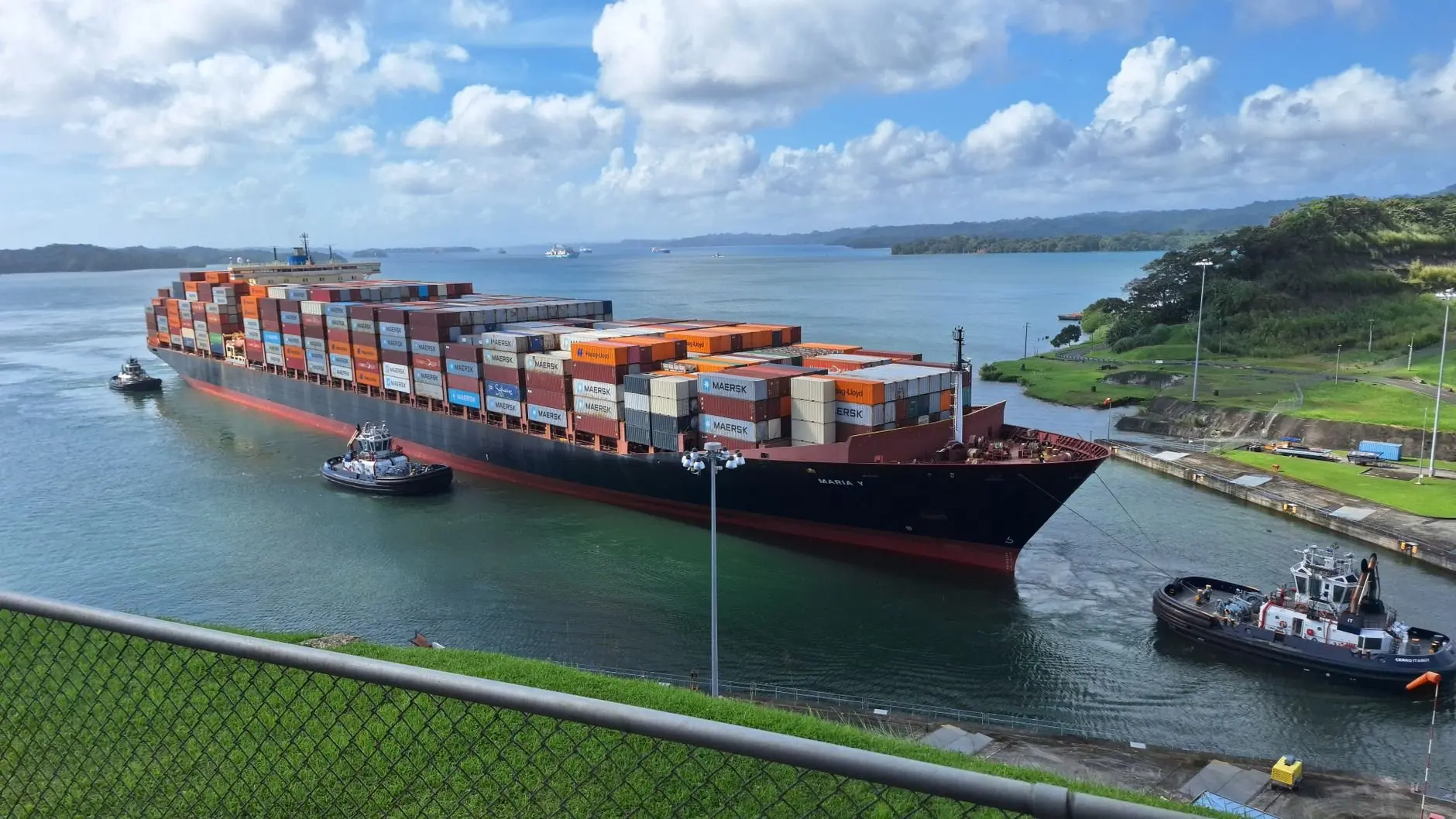
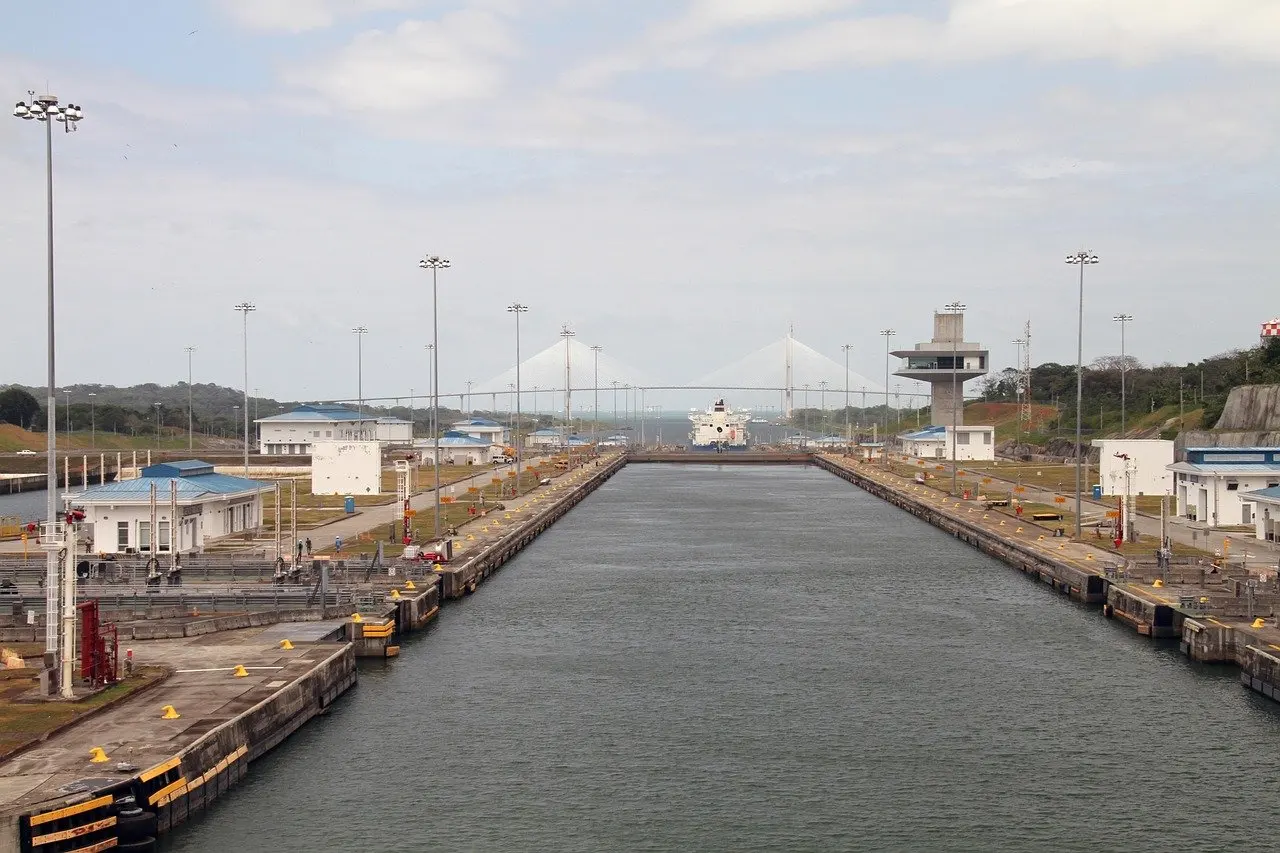
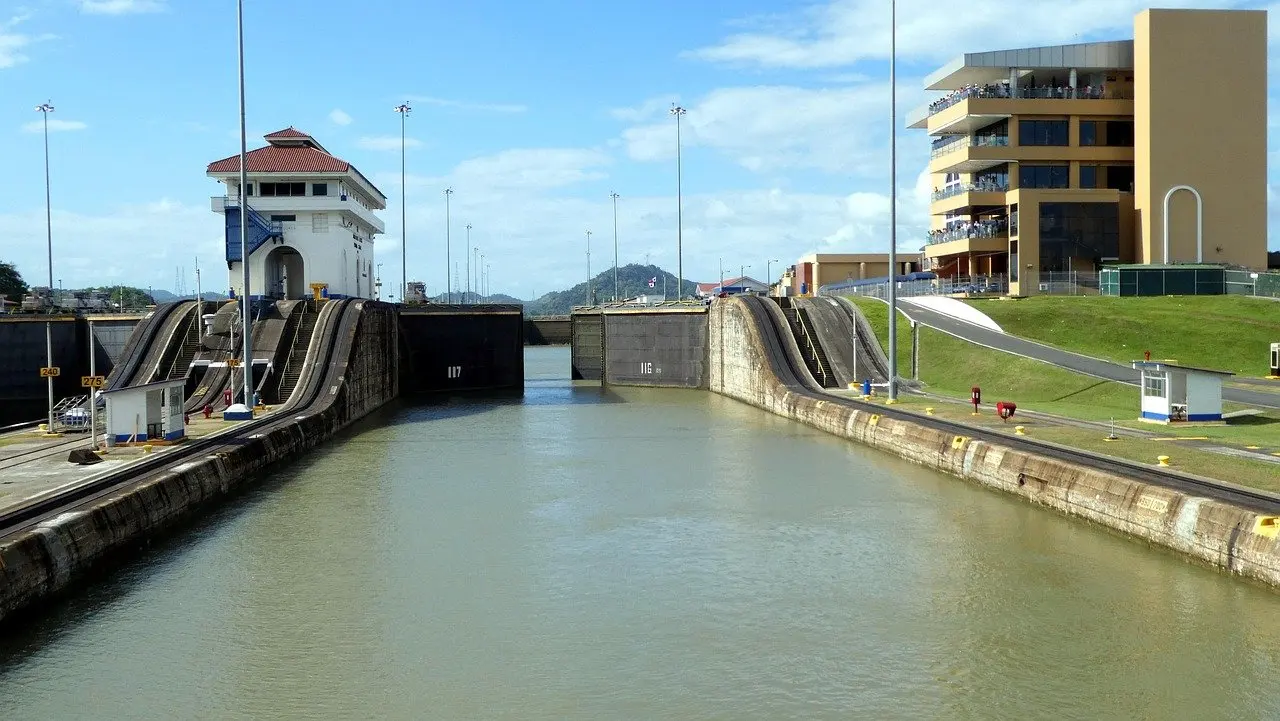
The Authority’s core task is the safe and efficient transit of vessels through the canal. In practice that covers the operation and maintenance of the locks, the wider infrastructure and the support systems around them, according to its published profile. The remit is institutional and broad, which is why treating it as a toll office understates it.
Transit service and infrastructure
Transit service is the part customers see: vessels are moved through lock chambers and the Authority maintains the assets that make that possible. Anyone comparing canal routing with other options should treat the Authority as the operator of record for every one of those steps.
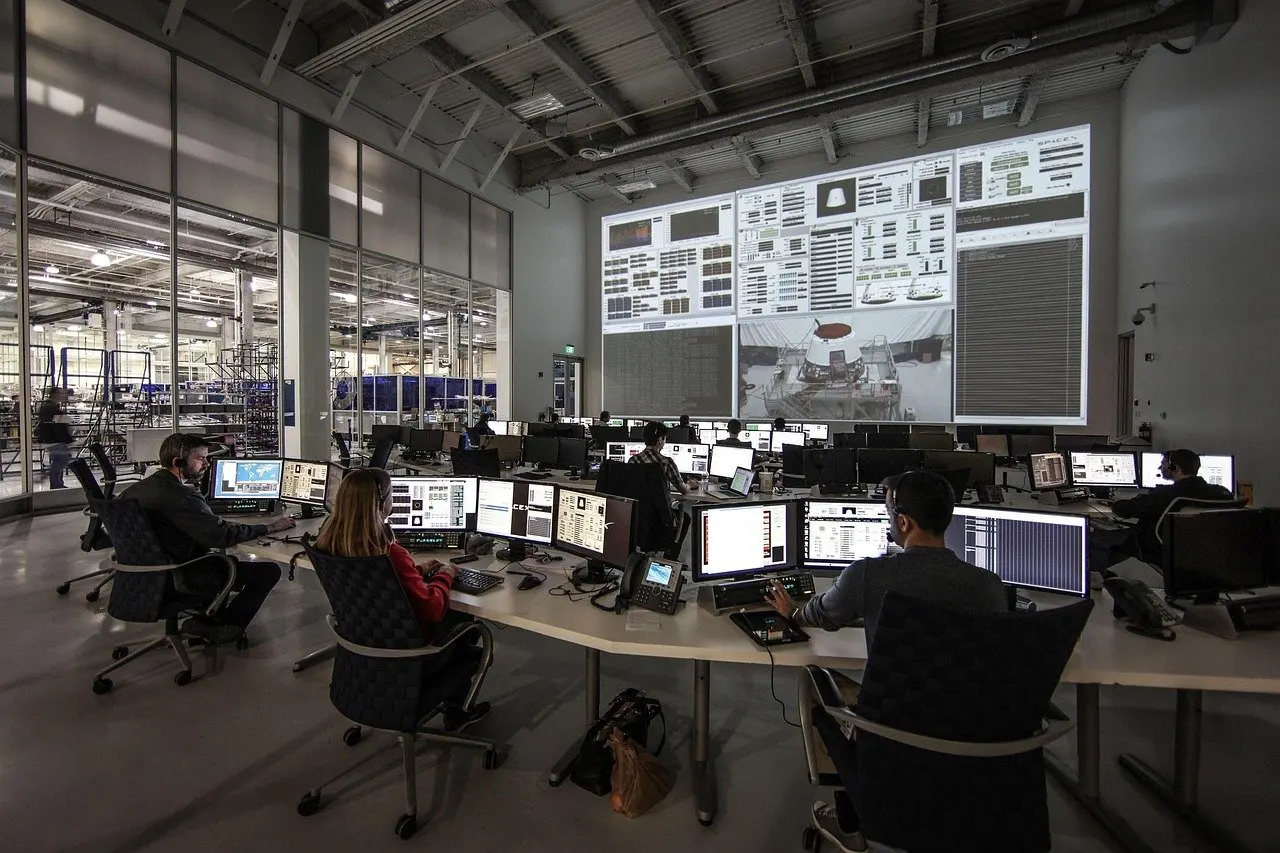
Operations monitoring
Operations is one of the Authority’s functional departments, alongside the others listed in the FAQ below. The organisational point matters more than the scene itself: a transit service of this kind depends on a department dedicated to running it, separate from engineering, finance and environmental management.
Water and environment
The Authority also manages the canal’s environmental impact, including water management, waste treatment and protection of biodiversity. That places the Panama Canal Watershed within its responsibility, and it explains why water availability is an institutional concern and not only an operational one. How water levels translate into vessel limits is covered in the guide to panama canal drought restrictions.
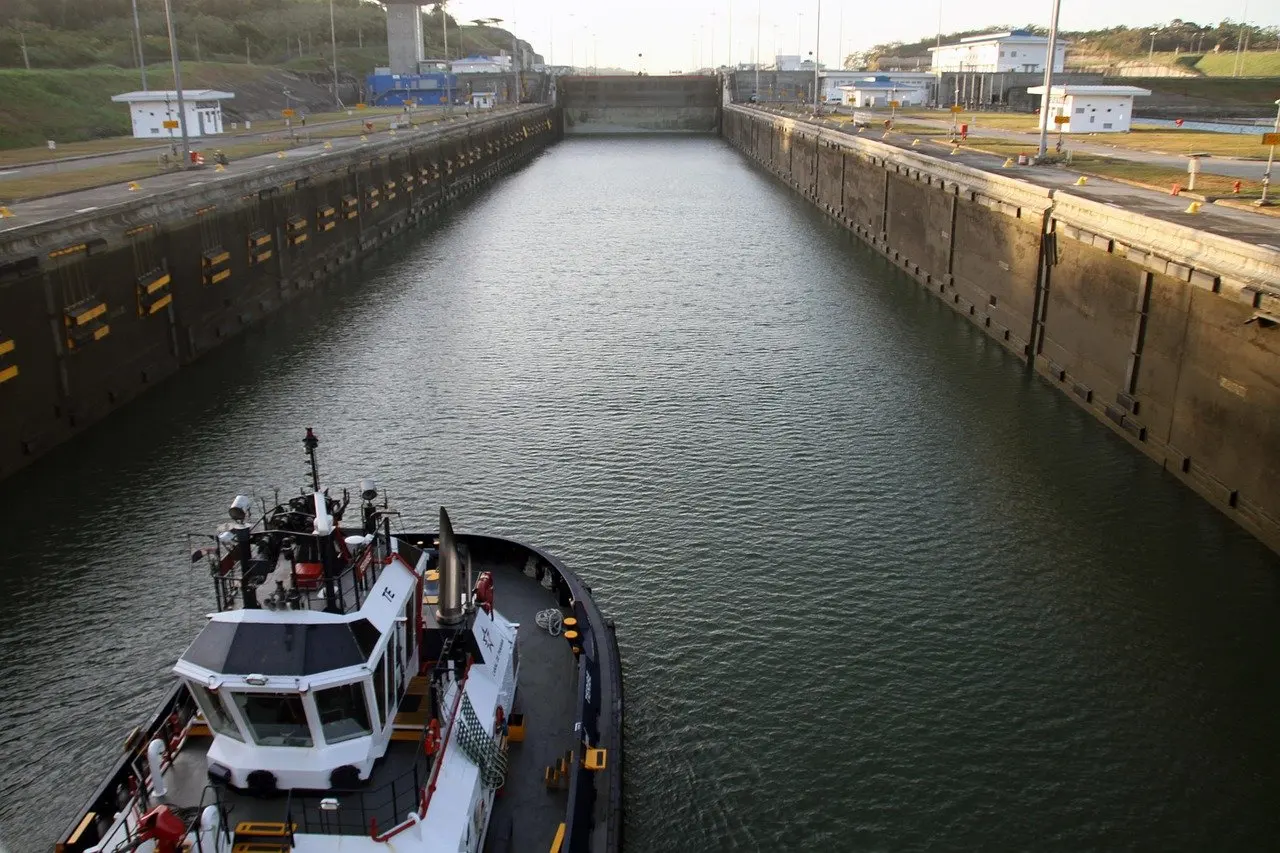
The Authority’s remit stops at the waterway and its supporting systems. For the terminals and port side of Panama’s trade, see the overview of ports in panama.
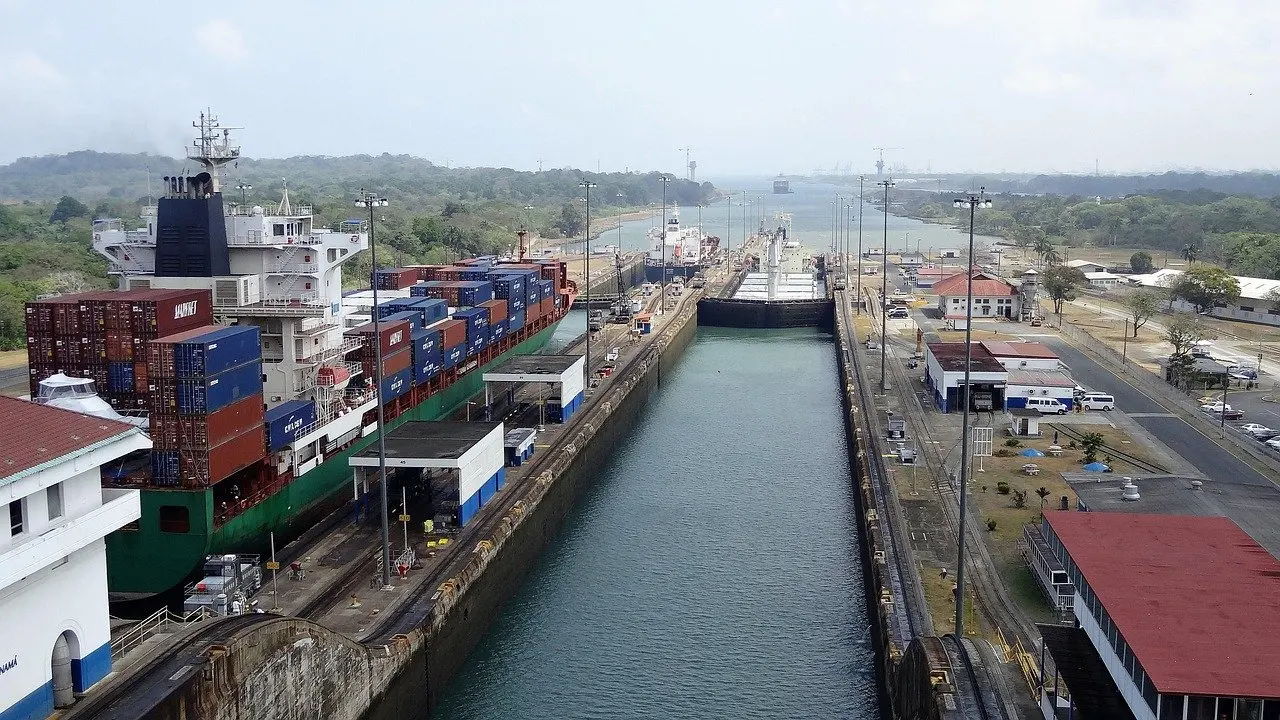
Governance: the Board and the Administrator
The governance structure has two layers. The Board of Directors comprises representatives from various sectors and provides strategic oversight and governance, according to the Authority’s profile. The CEO, appointed by that Board, oversees daily operations.
This split separates direction from execution. Strategy and long-term governance sit with a multi-sector board, while the appointed chief executive carries day-to-day running of the institution. For anyone trying to understand who answers for what, the useful rule is that policy and oversight questions belong to the Board, and operating questions belong to the CEO and the departments beneath.
Because the Board draws representatives from various sectors, governance is not limited to a single government department or a single industry viewpoint. That is the extent of the composition that can be stated for this article. Readers who need the precise membership rules or appointment mechanics for a legal or compliance purpose should consult the Authority’s own legal texts rather than rely on a summary.
Funding and the national economy
The Authority must keep the canal financially self-sufficient and profitable, and it is funded through toll rates. The mandate comes from the same published profile, which adds that canal revenue is a major contributor to the Panamanian economy.
What self-sufficiency means for users
An institution that must fund itself from tolls treats pricing as part of staying solvent, not as a side issue. For a shipper, that argues for watching the Authority’s official announcements on rates and service terms rather than assuming that charges are fixed by outside budgets. It also means the Authority is not presented as dependent on ordinary budget appropriations to operate; its own revenue is the funding base.
Contribution to the national budget
Canal revenue feeds the national economy, and the Authority’s annual reports are the place to look for exact yearly contributions to the national treasury. Any article, tender or investor note quoting a specific annual figure should cite the year and the report it comes from, since contributions change from year to year.
Frequently asked questions
| Question | Answer |
|---|---|
| Where is the Authority based? | Its address is the Administration Building, Balboa, Ancon, Republic of Panama, as listed on the Authority’s contact page. |
| Which departments make up the Authority? | The Authority lists Operations, Engineering, Environmental Management, Finance and Human Resources as its departments, according to its profile. |
| Did the Authority oversee the canal expansion? | Yes. The Authority oversaw the Third Set of Locks Project, which was completed in June 2016, per the same profile. |