| Reader situation | Idea | Planning use |
|---|---|---|
| The service is intangible and hard to show | Touchscreen tracking or service-explorer kiosk | Lets visitors move through the offering at their own pace, so one kiosk can replace a long pitch. |
| The offering is complex | Virtual reality or augmented reality walk-through | Best kept for concepts a flat screen explains poorly; it needs staff time and floor space. |
| Small team, modest budget | Live sample, hands-on demo and proactive staff | Costs little and works when people can try, test or customize something. |
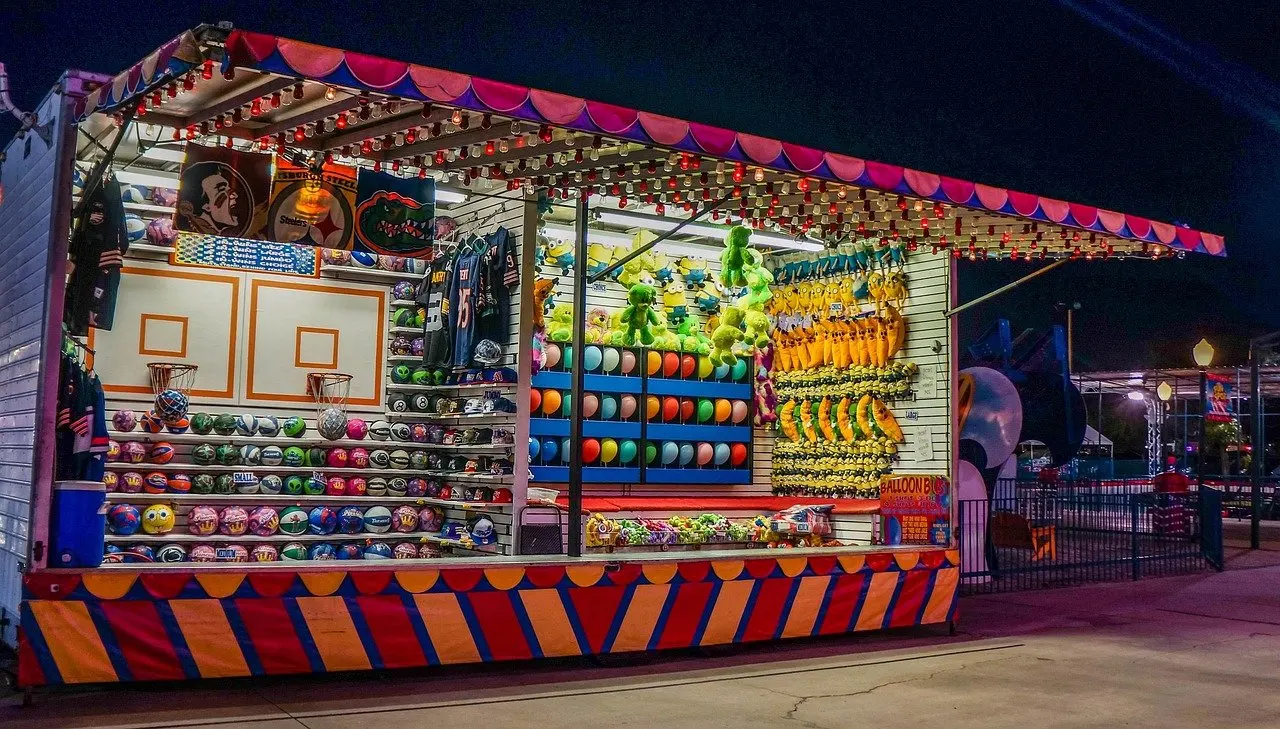
| The aisle is busy and traffic is the problem | Prize game or quiz station | Draws a crowd; small prizes are enough to lift appeal. |
| Leads matter more than footfall | Activity-linked offer and live poll | Ties the reward to a walk-through or short survey, so the visitor record comes with a stated interest. |
The ideas below draw on an exhibit-industry guide to booth engagement and an exhibit designer’s guide to interactive booths.
Interactive trade show booth ideas work best when visitors can try, test or customize something instead of watching a presentation, and when each activity ends in a captured lead.
Logistics providers sell routes, handling and visibility, which cannot be placed on a stand. This guide groups ideas by the problem an exhibitor faces. For the wider planning sequence, see how to exhibit at a trade show.
When the service is intangible
A booth selling freight, warehousing or customs support has no object to hold. Show the service as something visitors can operate. Demonstrations that let the target audience try, test or customize are far more likely to generate interest than passive presentations, according to the Padzilla engagement guide.
Touchscreen tracking or service-explorer kiosk
An interactive display suits any exhibitor whose value lies in information: shipment visibility, route options or a quoting flow. Touchscreen kiosks and product simulators let attendees explore the offering firsthand, and visitors can move through it at their own pace, as IGE Group describes. A touch-sensitive display can also let visitors explore different features of a product.
For a logistics company, that means a demo account where the visitor picks a lane and watches a sample consignment move through each stage. A looping video is a weaker choice, because content that visitors cannot control or explore at their own pace does not create the same engagement. Anything that has to travel, such as a kiosk or screens, should be planned alongside trade show freight shipping so it arrives before the show opens.
Virtual reality and augmented reality
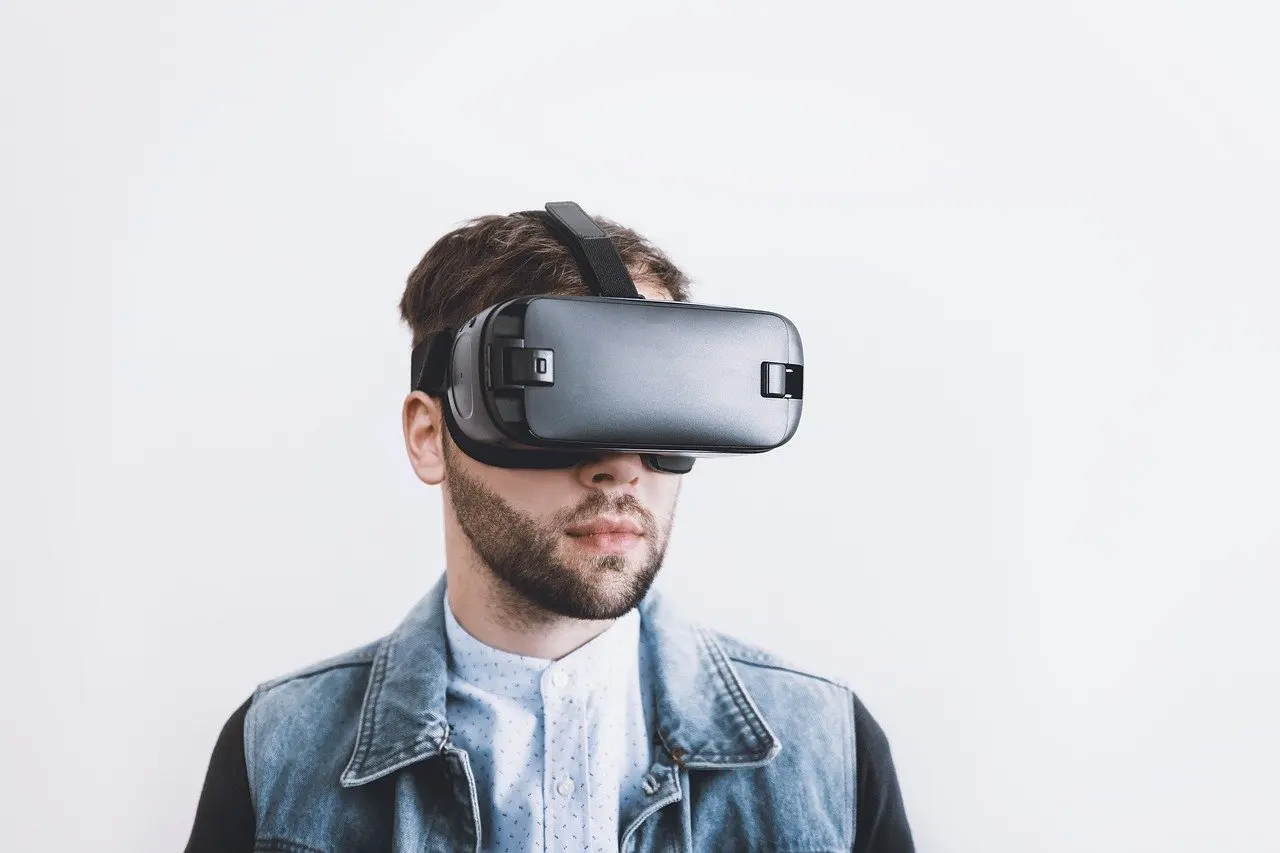
Virtual reality suits a company with a physical facility or process that visitors cannot see on the floor. Integrating VR lets attendees engage with offerings in a way traditional displays cannot match. Augmented reality is a powerful tool for demonstrating complex products or concepts in an accessible and entertaining way, which makes it a fit for explaining a multi-step supply chain.
The limit is staffing. Each headset session occupies a team member and a spot on the stand, so choose VR or AR only if the story genuinely cannot be told on a touchscreen.

When the company is small
A small exhibitor cannot outspend neighbours, so it has to win attention on behaviour and clarity. Trade show floors are boisterous, crowded and competitive, and the booth must capture attention in the first seconds.
A live sample and a hands-on demo
A simple table, a banner and a real item beat an elaborate stand with nothing to touch. Pick one demonstration, keep it short, and let the visitor do the final step. For a logistics business, that might be a sample of protective packaging for a visitor to test, or a laptop where the visitor enters their own route to see a sample quote.
Staff energy and outreach
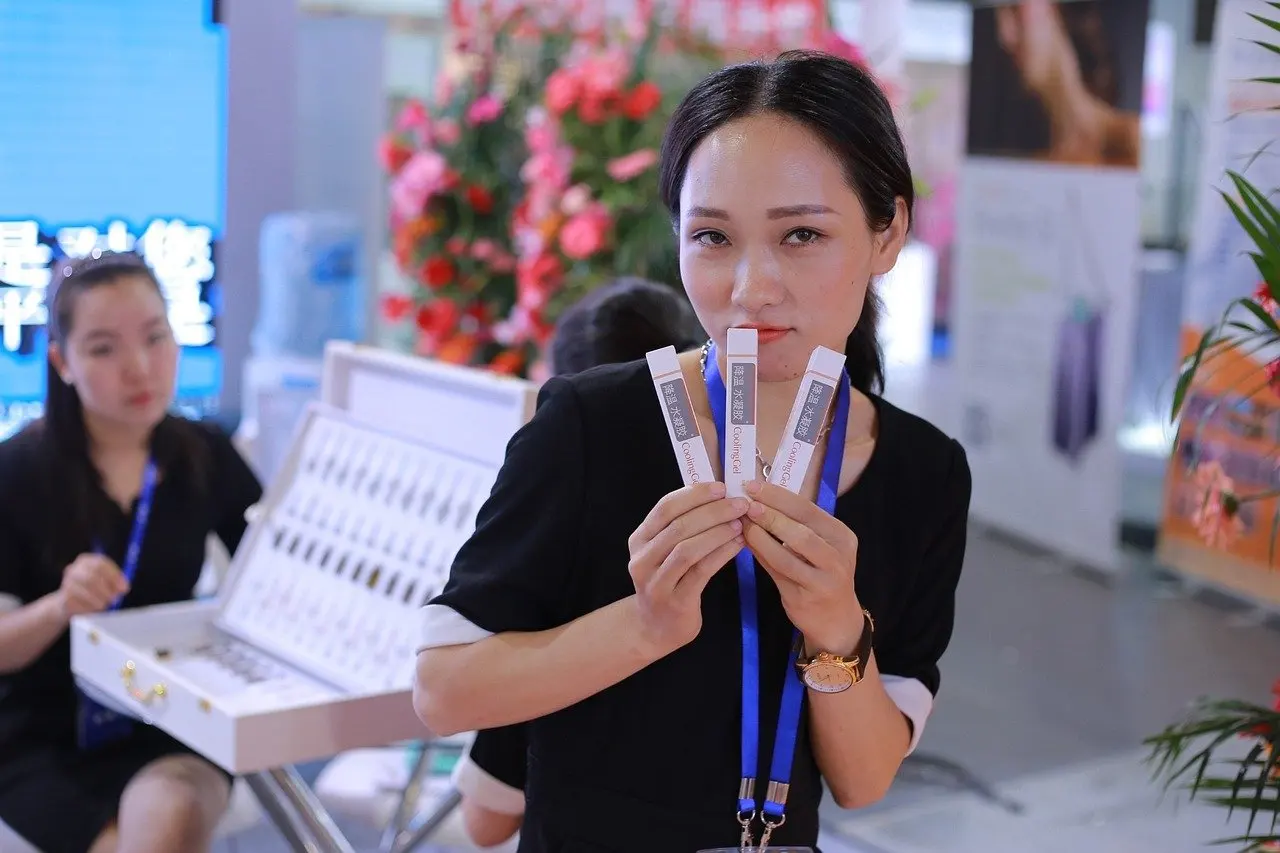
The cheapest engagement tool is the team. Passive staff can make a booth feel uninviting, while energy, body language and proactive outreach make a noticeable difference. Agree who greets passers-by, who runs the demo and who records visits, so that a small team does not cluster behind the table.
A photo moment
A photo station suits companies with a distinctive branded prop or backdrop. Instant prints or digital copies of the photos can encourage visitors to share their experience, which extends the booth’s reach beyond the aisle. Treat it as a supporting feature rather than the main demonstration, since a photo says little about a freight service. Equipment on the stand, such as screens and props, also raises cover questions, covered under trade show exhibitor insurance.
When the aisle needs traffic
Games and polls draw a crowd quickly, but only help if the crowd can be converted.
Prize wheel or quiz station
A quiz station suits an exhibitor with a high-traffic position and plenty of staff to keep it moving. Offering small prizes or incentives for participation can further enhance the appeal of interactive games, so prizes need not be large. Keep the questions on logistics topics so that attention gathers around the service, not around the giveaway.
Live polling
Live polling suits any stand that wants a conversation starter without much equipment. It gives the exhibitor valuable insight into visitor preferences and interests. Poll visitors on the shipping problem they face, then use the answer to steer the follow-up discussion instead of repeating a standard pitch.
When leads matter most
An engagement gap on the stand is also a missed lead generation and sales opportunity, so every activity needs a capture step built in from the start.
Tie the reward to the activity
Promotions work best when attached to something the visitor does. By tying promotions to an activity, such as watching a product walk-through or answering a short survey, an exhibitor filters out people who only want a giveaway. A visitor who finishes the tracking demo and then gets a small prize has shown real interest.
Record the visit at the end of the activity
Lead retrieval works best when the scan or app entry happens as the activity finishes, while the visitor’s interest is fresh. Add a note on what the person tried, such as the lane they checked or the answer they gave in the poll, so follow-up refers to a specific conversation. The touchscreen can also gather interest data as visitors explore, which gives the sales team a second signal besides the scan.
Choosing for a logistics audience
B2B logistics visitors are usually looking for proof that a provider can handle a specific problem. A hands-on demonstration tied to a service, such as a tracking kiosk, a poll about shipping challenges or an AR explanation of a process, gives that proof faster than a brochure. Start with one demonstration that makes the service tangible, add one capture mechanism, and only then consider a game or photo feature. Matching the idea to a single clear story also keeps a small team from spreading itself across several activities.
Frequently asked questions
| Question | Answer |
|---|---|
| Is a looping video enough to stand out? | No. If attendees cannot control the content or explore it at their own pace, it does not create the same level of engagement as an interactive display. |
| Do booth games suit a B2B audience? | Yes, when they are linked to product knowledge or the brand story, because games then become a teaching tool rather than only entertainment. |
| What does a quiet booth cost an exhibitor? | Engagement gaps are also missed lead generation and sales opportunities, so a stand with nothing to try or do loses leads as well as attention. |