To learn how to exhibit at a trade show, start with one decision: does this show put you in front of the buyers you need? Pick the show first. Then size the booth, budget and staffing to match that audience.
The rest of this guide works through that decision, then costs, booth design, engagement and measurement. Companies in freight, warehousing and supply chain services can pair it with how to exhibit at a logistics trade show for sector-specific planning.
Start here: exhibit, visit or sponsor
Exhibiting is the most expensive way to take part in a trade show, so the first decision is whether it is the right way in. The three routes below suit different situations.
- Visit as a guest first. If the show is new to your company, walk it before paying for space. BTWN Exhibits gives this as a reason to attend as a guest before pouring money into an exhibit. A visit shows who walks the aisles, how crowded the hall feels and which neighbours would surround your booth.
- Exhibit when buyers go there to find suppliers. The same BTWN article cites SpinGo (2018): 77% of executive decision makers reported finding at least one new supplier at the last trade show they attended. That is a reason to take a booth when the target buyers are senior and actively sourcing. It is not a promise that any given show will deliver those buyers.
- Sponsor when visibility matters more than conversations. Sponsorship is bought separately from booth space and can sit alongside an exhibit or replace it. The practical route is covered in how to sponsor a trade show, and the tiers organisers typically sell are compared in trade show sponsorship levels.
A practical example: a regional freight forwarder that has never exhibited gains more from one visit than from a small booth bought on impulse. The visit answers questions a brochure cannot, such as whether shippers or only other carriers attend. A company that already knows its customers attend can move straight to booth planning.
Whichever route is chosen, write down what success would look like before spending anything. Trade show goals and objectives explains how to turn a vague hope into targets that can be checked afterwards, which matters again in the measurement section below.
How trade shows work for exhibitors
A trade show is a business event held in an exhibition venue where exhibitors rent space, called a booth or stand, to present products and services to visitors. The organiser sells that space, sets the rules of the hall and publishes the floor layout. The exhibitor supplies everything that makes the booth work: the structure, graphics, people and follow-up plan.
The exhibitor’s sequence
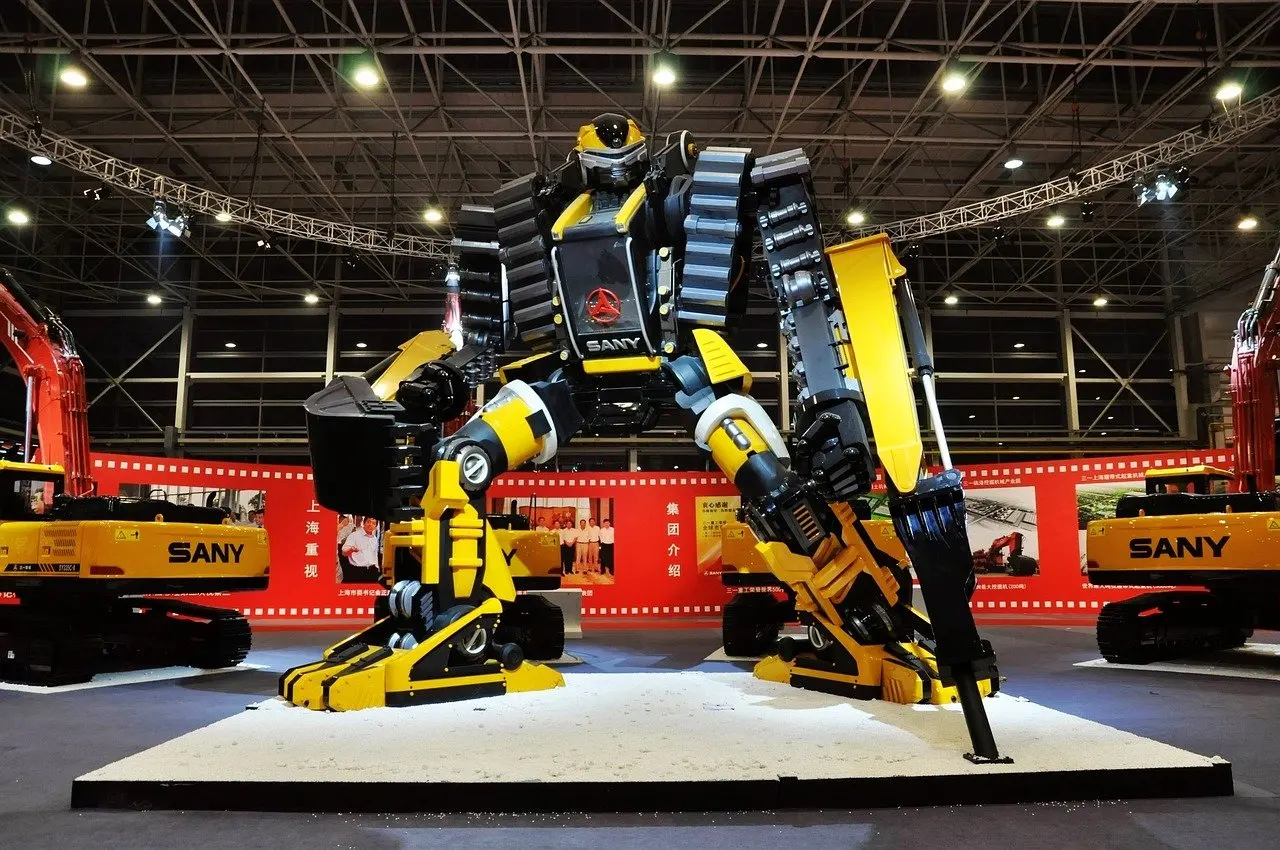
The sequence is the same whatever the industry: choose the show, reserve space, design and build the booth, get materials to the hall, staff the stand and follow up afterwards. Each stage has its own cost and lead time. For that reason a single booth fee understates the real commitment, a point developed in the cost section below.
Space and location
Booth position affects how many visitors reach a stand. BTWN Exhibits advises reserving booth space as early as possible for the best chance of a top-tier spot. It also suggests asking event management for floor layouts from previous years, because they are unlikely to change much. Those layouts let an exhibitor judge likely traffic routes before choosing a space, and ask the organiser sharper questions about where the busy areas sit.
If an early reservation would commit money before the budget is settled, work out the budget range first. Late bookers usually take what remains, so the trade-off between price certainty and position is worth weighing deliberately.
Venue rules
Every exhibition venue sets limits on what can be built, hung or powered. Treat the exhibitor manual as part of the design brief rather than something to read after the booth is built. Rules on structure height, electrical supply and special features can decide whether a design is allowed at all, and they are cheaper to discover before a build contract is signed.
Choosing which trade show to attend
Choose a trade show by testing it against a short list of criteria, and drop any show that fails the first one. The audience question comes before cost, because a cheap booth in front of the wrong visitors is still wasted spend.

- Audience fit. Does the visitor profile include the job titles that buy what you sell? A warehouse automation supplier needs operations and supply chain decision makers, not a general business crowd.
- Cost fit. BTWN Exhibits’ show-selection checklist asks whether the expected cost to exhibit aligns with your budget. Count the whole cost, not only the space fee.
- Position available. Check what space remains and what past floor layouts suggest about where it sits in the hall.
- Evidence from a guest visit. First-hand observation beats any organiser brochure. Note the quality of conversations in the aisles, not just the headcount.
- Goal alignment. A show that suits lead generation may differ from one that suits brand presence or partner meetings. Match the show to the goal you wrote down at the start.
When to wait
Wait a year when the audience fit is uncertain, the budget cannot cover a presentable booth, or the only available space is poorly placed. A visit this year and a booking for the next edition is a legitimate plan. A weak first appearance can cost more in wasted effort than a delay does.
Once a show passes these tests, the preparation steps are collected in the trade show checklist.
What it costs to exhibit
The cost of exhibiting at a trade show depends on booth size, build type and everything around the space itself. According to The Trade Show Network, booth design and build can be one of the largest single trade show expenditures a company will incur. The booth deserves the closest scrutiny in any budget.
Published stand price bands
Published rates give a starting point for planning. Expo Display Service, a European stand builder, lists indicative price bands by stand size.
| Stand size | Floor area | Published price range | Planning use |
|---|---|---|---|
| Small | 6-20 sq m | €8,000-€18,000 | Suits a first appearance or a focused product-testing booth where each conversation matters. |
| Medium | 21-75 sq m | €15,000-€35,000 | Gives room for meeting space and demonstrations; confirm what the price includes. |
| Large | 76-150 sq m | €24,000-€48,000 | Suits established exhibitors that need a landmark presence and a bigger team. |
These ranges are one vendor’s published figures from Expo Display Service, expressed in euros for European stands. Treat them as a planning band, not an industry average or a quote for any particular show.
What a budget must include
A booth budget range should state what it covers. The Trade Show Network’s design questions ask what the range includes: structure, graphics, shipping and storage. A low headline price that leaves out shipping or storage will not stay low. Ask every supplier for a proposal listing graphic sizes, booth structure, rental components and detailed pricing so quotes can be compared on equal terms.
Show-day costs sit alongside build costs. Freight to the hall is a real line item, and trade show freight shipping explains how to move exhibit materials to the venue. Liability is another: trade show exhibitor insurance covers what to arrange before the booth goes live.
Ways to keep spend in check
CTC Conferences recommends selecting materials that can be reconfigured to fit different booth specifications. A reconfigurable system can be reused at a smaller or larger space later, so the build spend stretches over several shows. Expo Display Service also notes that a smaller booth can facilitate more meaningful interactions in industries where visitors test products. In those cases a small space is a design choice rather than a compromise.
For a line-by-line view of each cost category, see the trade show booth cost breakdown. To plan your own numbers, the trade show budget template lists every line worth tracking.
Booth design and layout decisions
A booth works when its design carries one clear message that a visitor can read from the aisle. CTC Conferences advises informing the booth designer what you intend to display and the message you want to send out. The brief should come before any rendering.
Use the design process to control cost
The Trade Show Network describes a five-step exhibit design process: pre-planning, discovery, concept and rendering, proposal, and building and follow-up. It says going through these steps can save money. The sensible reading is that most overspend comes from changing decisions late. Settle the message, the products shown and the space limits at the pre-planning and discovery stages. Concepts and proposals then argue over details rather than direction.
Height, size and focus
The Trade Show Network lists vertical space as one of the easiest ways to enhance a booth’s visibility, since tall elements can be seen from across the room. This idea is most useful in a crowded hall where floor-level displays are hidden by the stands in front. Check the venue’s height rules first, as the exhibitor manual will state them.
Size should follow the job the booth does. A small stand suits a product that visitors need to handle and discuss. A larger stand suits a company that needs several simultaneous conversations or private meeting space. More ideas on layouts, graphics and materials are collected in trade show booth design ideas.
Engaging visitors at the booth
Visitors stop at booths where something is happening, and they stay where staff can start a useful conversation. The choice among demonstrations, screens, video and giveaways depends on the product and the visitors, not on novelty.
- Demo stations. The Trade Show Network recommends stations that let visitors use, test or experience what is being showcased. They suit products that are easier to show than describe, such as software dashboards or handling equipment.
- Touch screens. BTWN Exhibits notes they can offer lead magnets that visitors opt into by submitting an email address, which turns browsing into a contact record.
- Video explainers. BTWN cites Wyzowl (2018): 96% of people say they have watched an explainer video to learn more about a product or service. A short looping video can carry a complex service, such as a multi-country freight route, while staff talk to other visitors.
- Giveaways. CTC Conferences advises not handing out promotional items without getting a name and email address. Used that way, a giveaway becomes a lead capture tool rather than a cost with no record.
Choose one or two engagement methods the team can run well rather than all of them. Ideas for running demonstrations in a busy hall are in interactive trade show booth ideas, and item choices are compared in best trade show giveaways.
Pre-show marketing and staffing
Pre-show marketing gives visitors a reason to find the booth rather than hoping they walk past it. BTWN Exhibits cites an Exhibitor 2017 survey in which 85% of more than 100 corporate exhibit managers said they use at least one pre-show marketing tactic. Skipping it leaves an exhibitor relying on foot traffic alone, while most peers are inviting contacts in advance.
Build the pre-show plan
Start with the people already in your pipeline and invite them to the booth by name. Then add public announcements. Press timing is one concrete point covered in the FAQ below. Keep messages tied to something visitors can do at the booth, such as seeing a demonstration or booking a meeting slot.
Prepare the people
Booth staff carry the stand once the doors open, so brief them on the message, the products and the lead-capture routine before the show. A well-prepared team of the right size does more than a large one that has not met beforehand. Practical training approaches are covered in trade show booth staff training.

Staff should also know what to say to different visitors: senior buyers who want a short, direct answer, technical evaluators who need detail, and passers-by who are only browsing. Agree in advance who takes which conversation, and how a visitor who needs more time is passed to a colleague.
Leads, follow-up and measuring return
Measure trade show return by comparing what the whole programme cost with the business outcomes that followed, judged against goals set before the show. Without those goals there is nothing to compare against. BTWN’s citation of the Exhibitor 2017 survey shows why this matters: 91% of those who set measurable goals to track success reported that their efforts met or exceeded expectations.
What to track
- Total cost. Include space, booth build, graphics, shipping, storage, travel and staff time, not just the booth fee.
- Lead quality. A smaller number of qualified contacts from real buyers is worth more than a large pile of business cards. Record why each contact mattered at the moment it was captured.
- Pipeline movement. Track how many contacts became meetings, proposals or contracts after the show. The connection between a lead and a later sale may take a long time, so keep the record open.
- Goal-specific results. If the aim was partnership meetings or market intelligence, count those instead of leads.

Capture and follow up quickly
Capture contacts consistently so that nothing depends on memory. Ideas for generating real leads at the booth are in how to get leads at a trade show. After the show, contacts go cold quickly if nobody acts on them, and the steps are covered in trade show follow up best practices. A show should be judged on what happened after it closed, not only on how busy the booth looked.
Frequently asked questions
Can a small company compete with larger exhibitors?
Yes, within limits. Expo Display Service describes exhibitions as a level playing field for businesses of all sizes, and notes that a smaller booth can facilitate more meaningful interactions where visitors want to test products. A clear message and well-briefed staff matter more than floor area.
Are inflatables allowed in any exhibition venue?
Not necessarily. CTC Conferences advises making sure that inflatables are allowed in the event venue before ordering one. Check the organiser’s exhibitor manual first.
When should a press release go out?
BTWN Exhibits suggests distributing a press release to media outlets 2-3 weeks before the show. That timing gives journalists and prospects notice, while keeping the announcement close enough to the event to feel current.
Does the booth design process need a formal structure?
A structure helps. The Trade Show Network describes five steps, from pre-planning through building and follow-up, and says going through them can save money. Agreeing the message early keeps later design changes small.