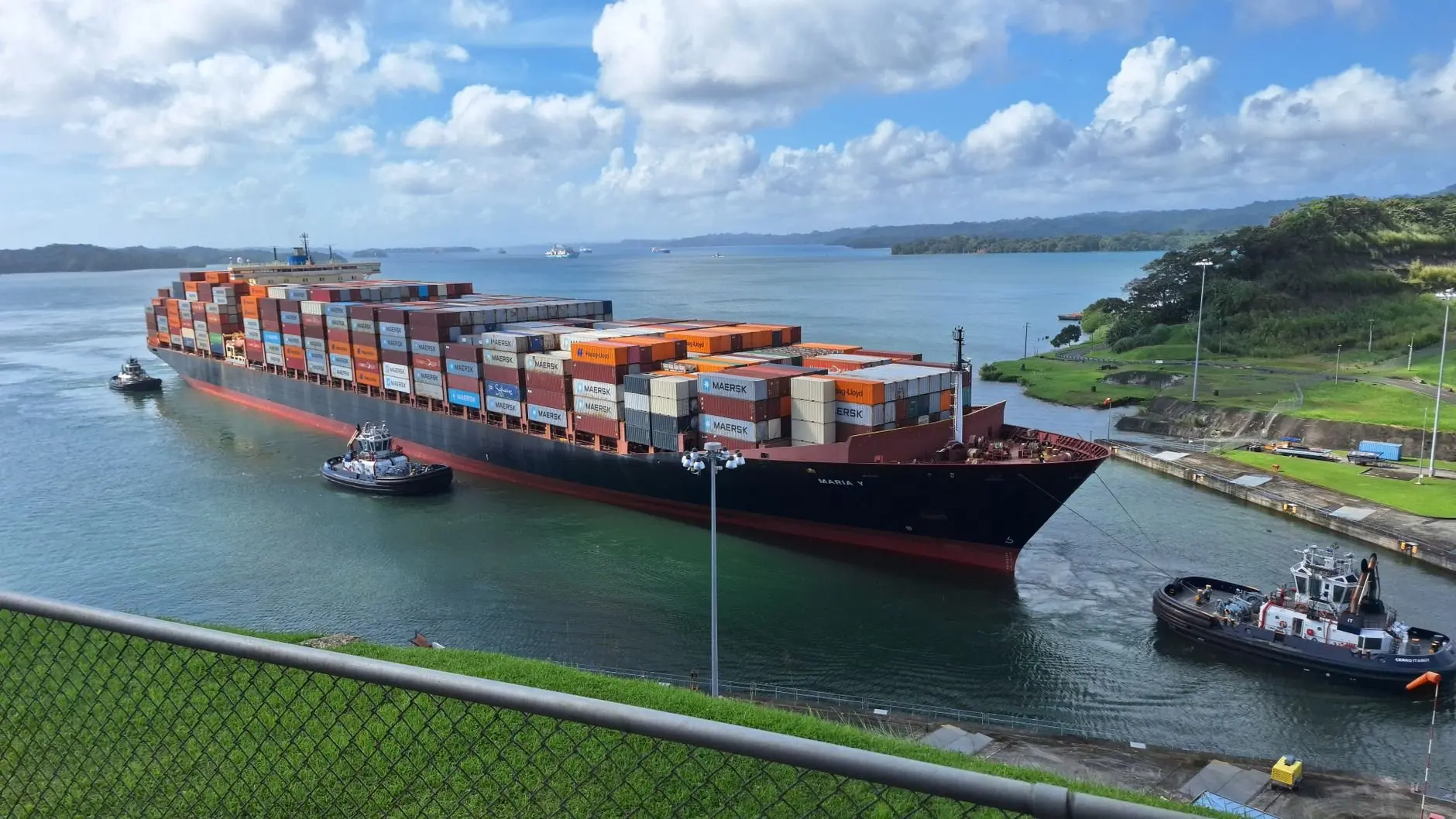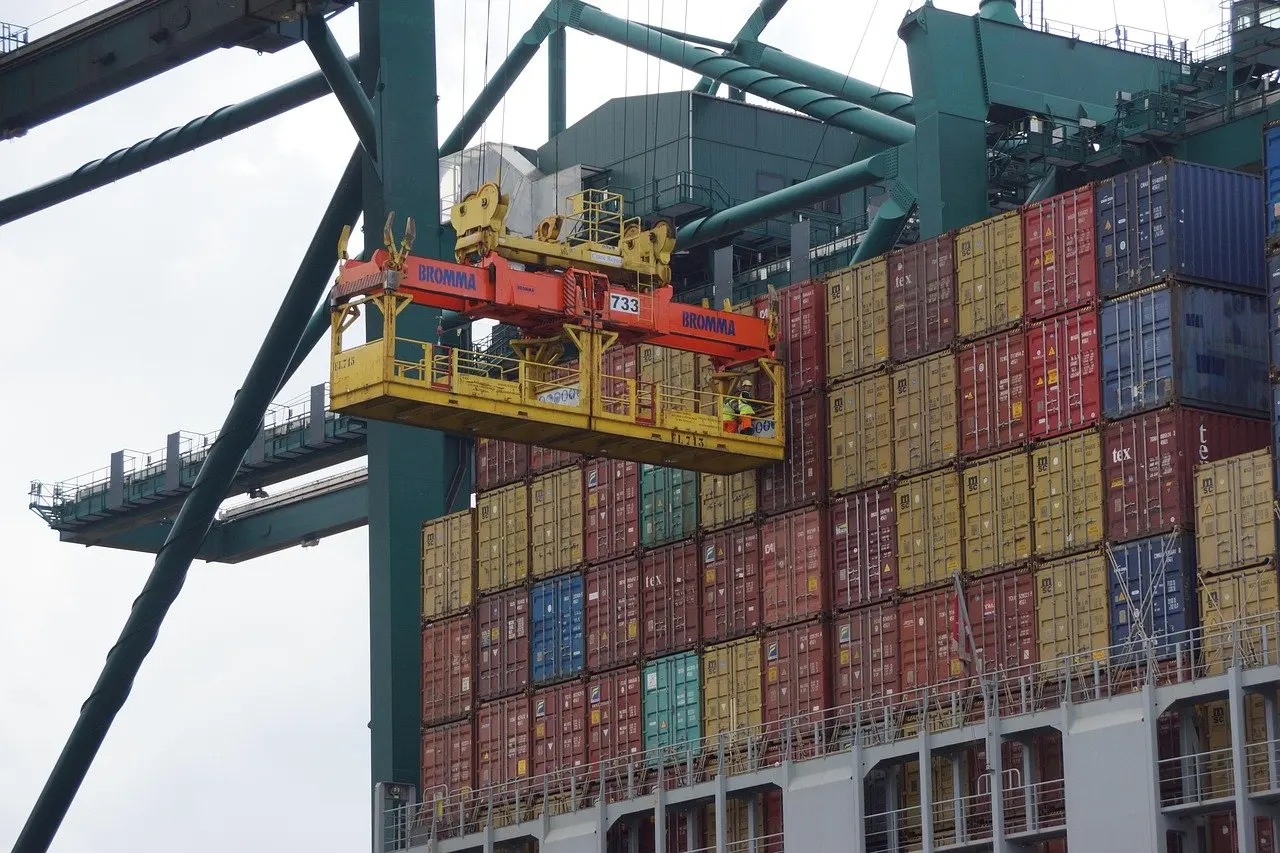
The main ports in Panama sit on both coasts: Balboa and PSA Panama International Terminal on the Pacific, and Cristobal, Manzanillo and Colon Container Terminal on the Atlantic. Choose by coast, operator and cargo, not by rank.
This directory belongs to the wider panama logistics hub. It lists each terminal by coast, operator and cargo type, then compares them in one table. No ranking is applied, because published figures differ in year and basis. The terminals are ordered by coast instead.
Selection criteria and how the list is ordered
The Panama port system is a coast-to-coast chain of terminals around the canal. A public port directory lists 12 ports for Panama, but container research keeps returning to a handful of named terminals. Those terminals form the core of this overview, and each one is judged on the same four points.
- Coast. Pacific and Atlantic terminals serve different sides of the canal, so the coast decides which service loops and inland routes a terminal fits.
- Operator. Each terminal is run by a concession holder or terminal company, which determines who sets berth windows, storage terms and tariffs.
- Cargo type. Container handling dominates the list. Bulk, liquid and cruise traffic are treated separately further down.
- Capacity. Nominal TEU capacity is a design figure, not throughput. A terminal can be well below or above its nominal figure in a given year.
Regulation and statistics sit with the Autoridad Marítima de Panamá. The throughput series used in port-economics research on Panamanian container traffic is attributed to that authority. Check its statistics for current annual TEU figures per terminal before quoting a number in a tender or business case.
Pacific side terminals
The Pacific coast has grown into a full container gateway. Its share of Panama’s container activity rose from 5% in 2000 to 50% in 2015, according to the same port-economics research. Two terminals account for the Pacific story in that research.
Port of Balboa
Statista notes that Balboa had the third largest container throughput in Latin America in 2021. The port code is PABLB.
Balboa suits shippers and lines that want an established Pacific gateway with a long operating record. Its limitation is competition and concentration: the Pacific now has a second large terminal, so rate and berth comparisons are worth running. For terminal-level detail, see the port of balboa panama profile.
PSA Panama International Terminal
PSA Panama International Terminal started operations in 2012 on the Pacific side, competing directly with Balboa. Its capacity is the clearest published example of how quickly a Panamanian terminal can scale: an initial 250,000 TEU was expanded to 2 million TEU in 2017.
It suits cargo owners who want a second Pacific option alongside Balboa. Treat the 2 million TEU figure as nominal capacity, not as annual volume handled, and confirm current capacity with the operator.
Atlantic side terminals
The Atlantic terminals around Colon are the historic container entry point. Before the mid-1990s, Panama’s container volumes did not exceed 200,000 TEUs per year, and the ports of Colon and Cristobal handled most of them, as the port-economics research records. Three terminals now make up the Atlantic group.
Cristobal
Cristobal is the older Atlantic facility, and it passed to Panama Ports Company (HPH) in 1996 together with Balboa. That common concessionaire gives shippers one operator across both coasts. It suits users who want a long-established Atlantic port and a single operator relationship on each side of the isthmus. Its limitation is age relative to the terminals built in the mid-to-late 1990s, so ask about current berth and yard conditions rather than assuming parity.
Manzanillo International Terminal
Port-call data on ShipNext gives a maximum draught of 18.8 m and a recorded maximum vessel length of 901 m. Its port code is PAMIT.
Those figures make it the Atlantic terminal with the best-documented physical limits. It suits users who need to confirm deep-draught and long-vessel access. The draught and length are recorded maxima, not typical operating conditions, so a specific vessel still needs terminal confirmation.
Colon Container Terminal
Colon Container Terminal opened in 1997 and is operated by Evergreen, per the port-economics research. It is the newest of the three Atlantic terminals and sits in the same cluster as Manzanillo. It suits cargo moving on Evergreen services, where a line-operated terminal can simplify berth planning. Users on other carriers should compare terms with Manzanillo and Cristobal before committing volume.
Terminals compared
| Terminal | Coast | Operator | Start or handover | Scale marker | Planning use |
|---|---|---|---|---|---|
| Port of Balboa | Pacific | Panama Ports Company (HPH) | Control taken in 1996 | Gained most in the 2002 to 2011 growth phase | Established Pacific gateway; benchmark rates against PSA |
| PSA Panama International Terminal | Pacific | PSA | Operations began in 2012 | 250,000 TEU initial; 2 million TEU from 2017 | Second Pacific option; confirm current nominal capacity |
| Cristobal | Atlantic | Panama Ports Company (HPH) | Control taken in 1996 | With Colon, handled most volume before the mid-1990s (up to 200,000 TEUs per year) | Long-established Atlantic port; same operator as Balboa |
| Manzanillo International Terminal | Atlantic | Carrix/SSA | Opened in 1995 | Maximum draught 18.8 m | Check deep-draught and long-vessel access |
| Colon Container Terminal | Atlantic | Evergreen | Opened in 1997 | Newer terminal built after Manzanillo’s 1995 opening | Natural fit for Evergreen-linked cargo |
The operator, start-year and capacity details come from port-economics research on Panamanian container traffic, and the Manzanillo draught from ShipNext.
Cargo and port types
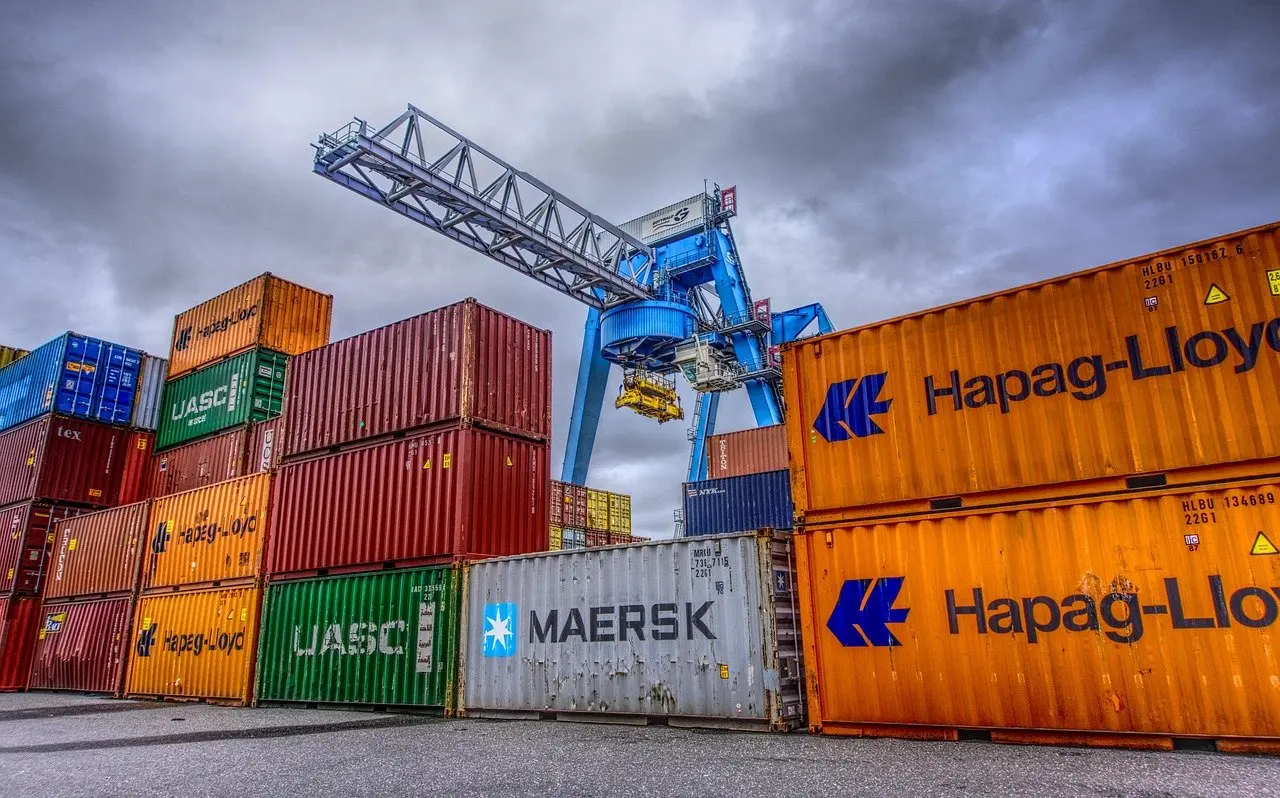
Panama’s named terminals are container facilities, and the cargo mix at Manzanillo shows how dominant general cargo is. General cargo accounts for 95.81% of calls there, tankers for 0.93% and passenger ships for 0.93%, per ShipNext.
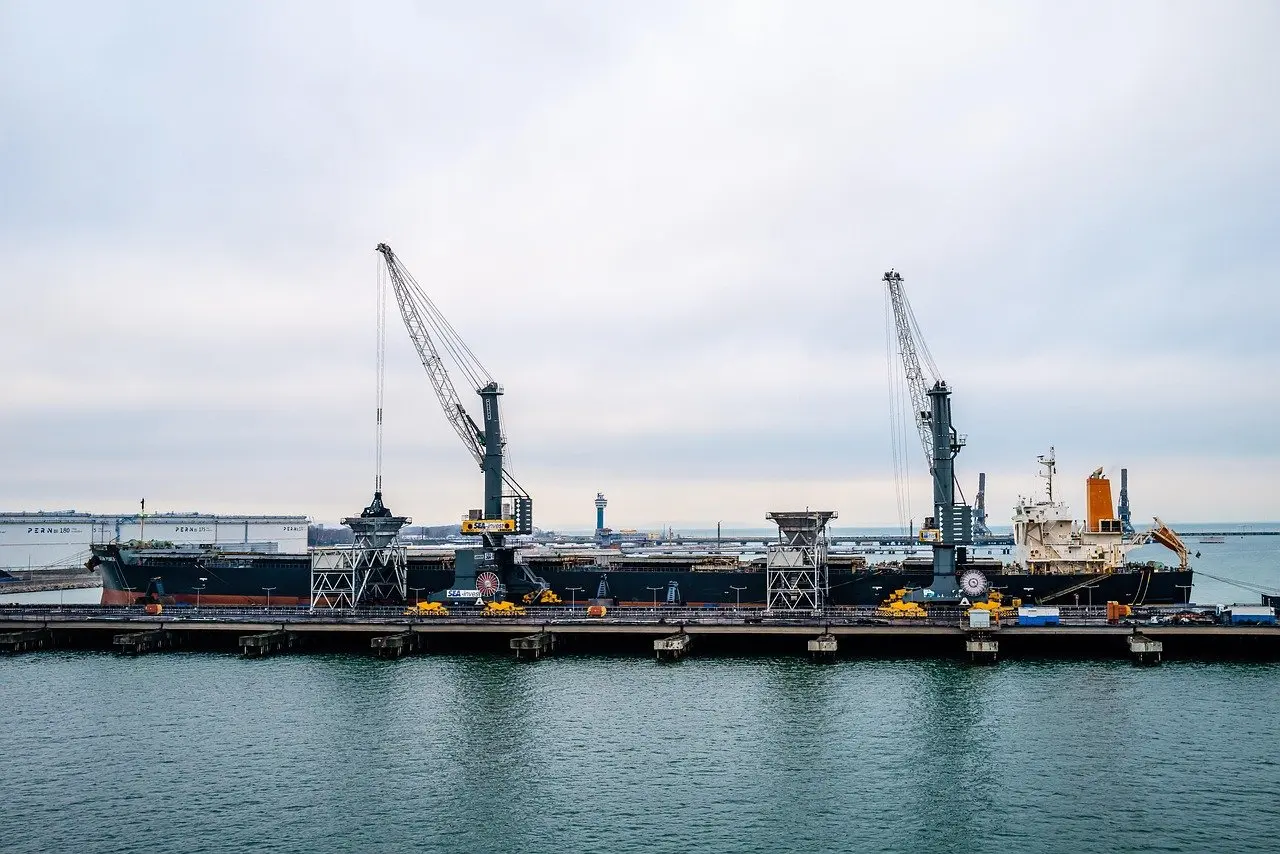
The practical reading is simple. Use the container terminals above for boxed cargo. For dry bulk or liquid products, look for dedicated bulk and liquid berths rather than a container terminal, because tanker calls are a small slice even at a major container port.
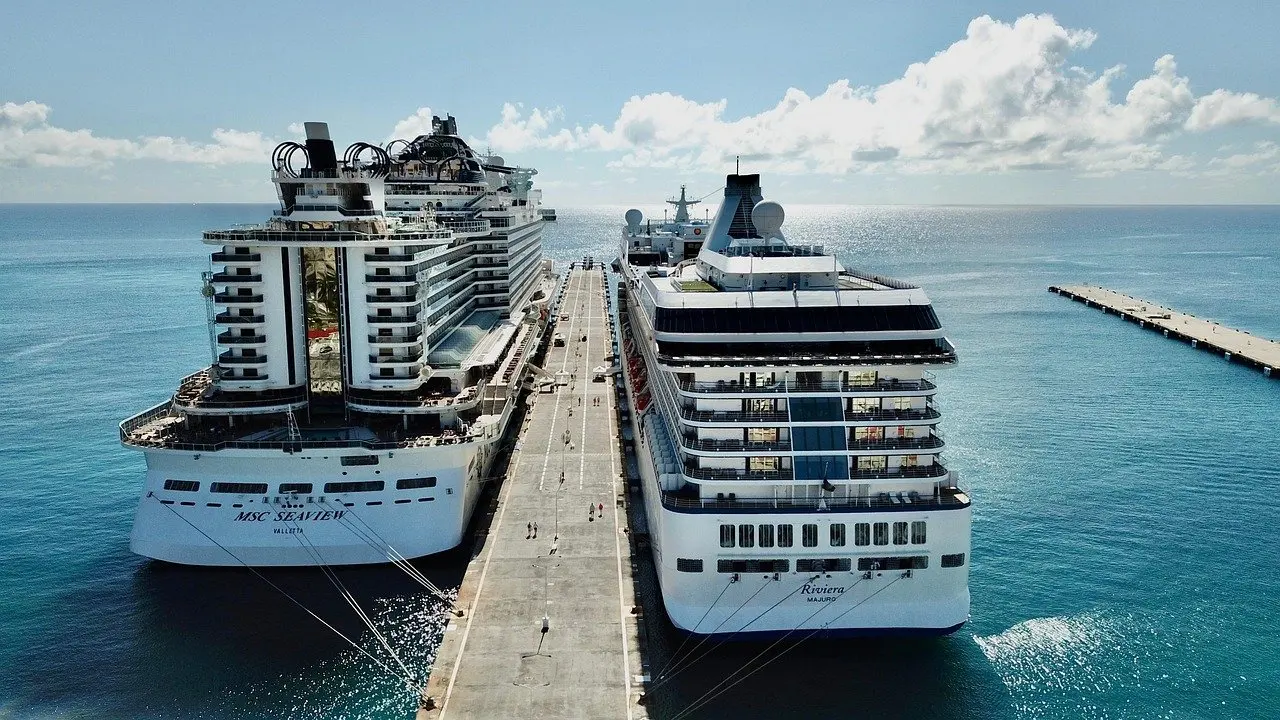
Cruise traffic follows the same logic. Passenger vessels need pier space of their own, and at Manzanillo they make up only 0.93% of calls. Cruise itineraries and passenger-terminal questions belong with a dedicated cruise port, not a container terminal.
Transshipment and the canal
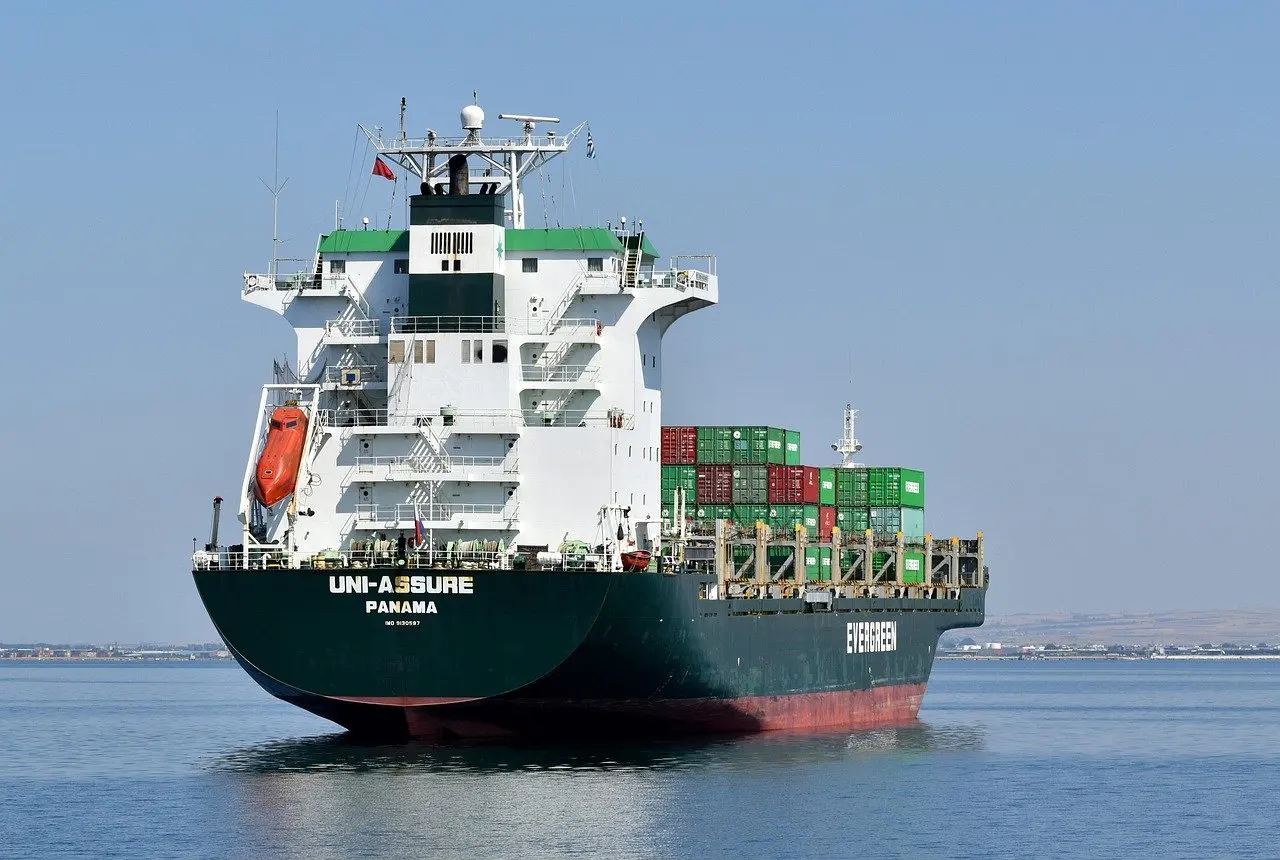
Panama is a transshipment hub because most of its container activity is box transfer between ships rather than cargo for local use. The port-economics research puts the share above 90%. The 2002 to 2011 phase marked the setting of Panama as a major transshipment hub, and the reopening of the Panama Canal Railway in 2001 further supported repositioning transshipment containers.
That model carries a risk. The same research notes that transshipment traffic may shift to other port facilities if shipping lines change their service configurations. It also records that the expansion of the Panama Canal in 2016 resulted in a decline in transshipment activity. For shippers, this means hub volumes follow carrier network decisions, so a terminal’s past growth is not a promise of future berth availability. For the canal operator’s side of the relationship, see the panama canal authority guide.
Choosing a terminal
The right terminal depends on the cargo and the route, not on a league table. These decision points follow from the facts above.
- Start with the coast. Match the terminal to the side of the isthmus where the cargo enters or leaves the canal route.
- Check the operator. Panama Ports Company (HPH) runs both Balboa and Cristobal, Carrix/SSA runs Manzanillo and Evergreen runs Colon Container Terminal. A carrier’s own terminal may offer easier berth planning.
- Test physical limits. Manzanillo’s recorded 18.8 m maximum draught is the clearest published depth marker. Ask any other terminal for its current figure.
- Compare on the Pacific. Balboa and PSA compete directly, so a quote from each gives useful leverage.
- Plan for volatility. If cargo depends on transshipment, build alternative routing into the plan because carrier network changes can move volume.
Frequently asked questions
How many ports does Panama have, and what are their codes?
A public directory lists 12 ports for Panama. Balboa uses the code PABLB, Manzanillo PAMIT and Colon Container Terminal PAONX.
Is Manzanillo a separate port from Colon?
Manzanillo International Terminal is listed as a subport of Colon, according to ShipNext. It operates as its own terminal under Carrix/SSA, and the Colon area includes Cristobal and Colon Container Terminal as well.
Why did Panama’s port activity fall in 2023?
The decline is mainly associated with a drought that lowered canal transits, as port-economics research explains. Port volumes follow canal conditions closely.