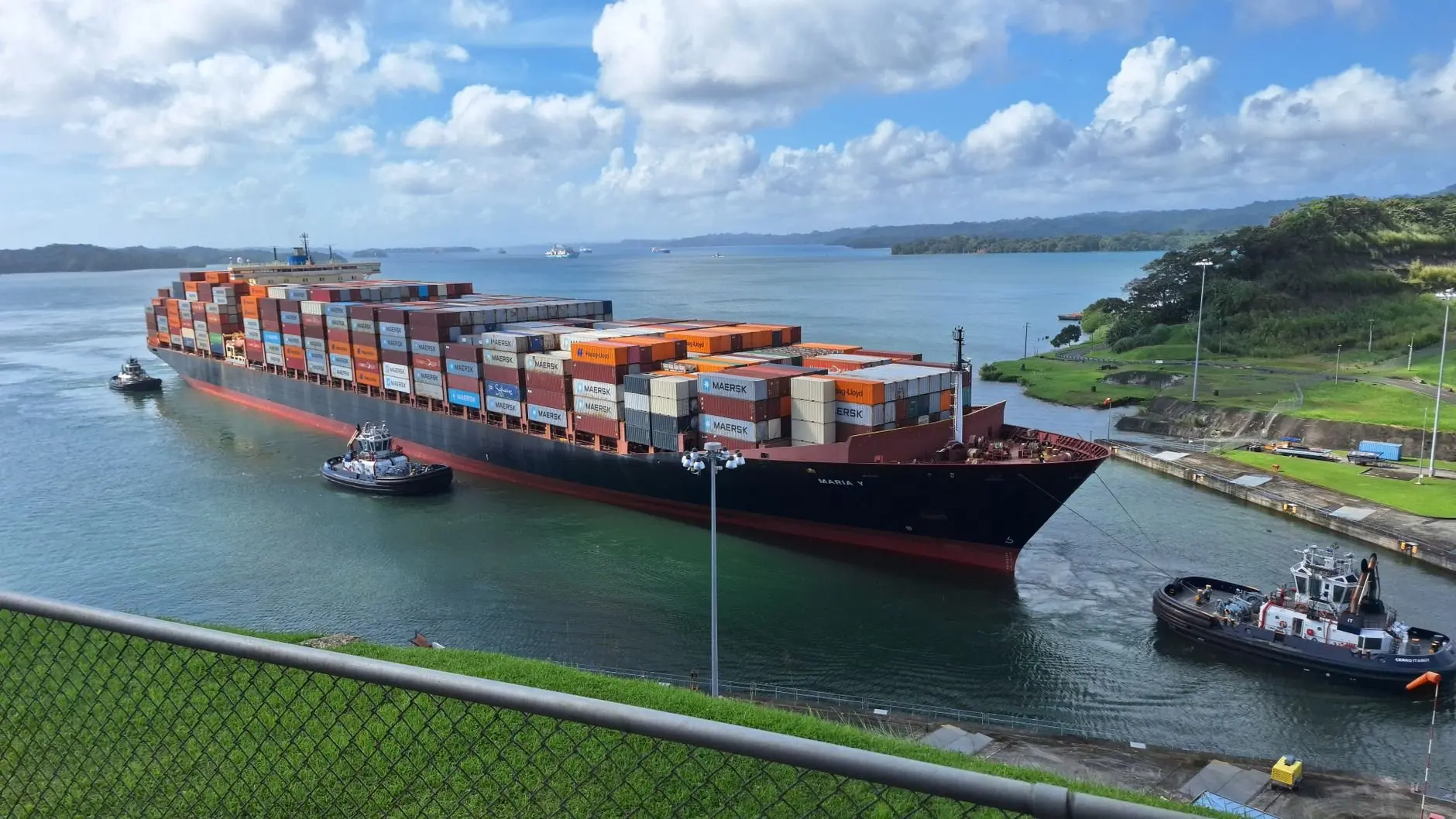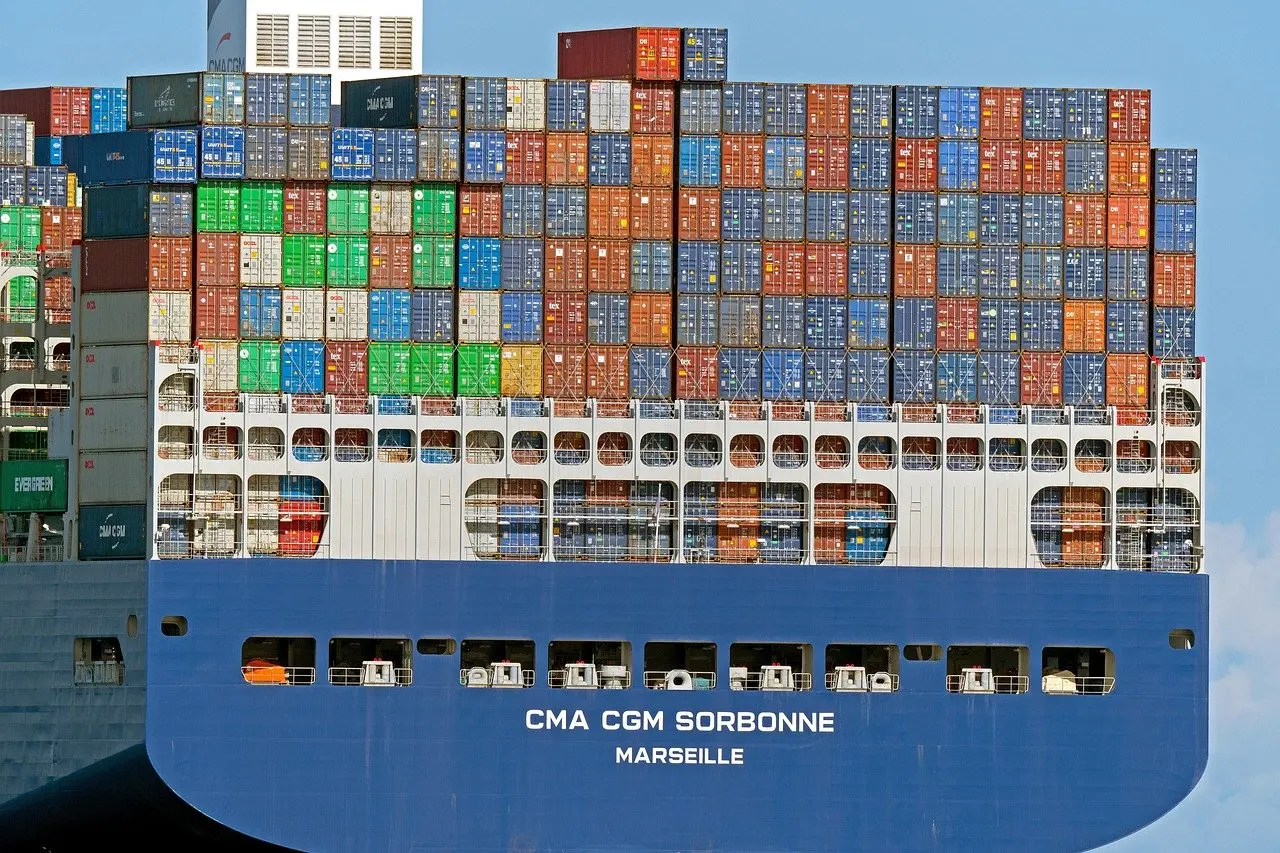
For Pacific-side flows such as Asia to west coast Latin America, the Port of Balboa Panama is the natural Panama Ports Company gateway. Cristobal serves the Atlantic side. Compare equipment, berth conditions and services with the operator before committing.
Both terminals sit inside the wider panama logistics hub, and the national picture is set out in the guide to ports in panama. This page narrows the view to the two terminals run by one operator on opposite coasts.
Decision criteria for choosing between the terminals
The Port of Balboa and Cristobal are two ends of the same operator’s Panama footprint, so the choice rarely turns on price alone. It turns on which ocean your cargo is really tied to and on what the terminal can physically handle. Work through the checks below in order, and stop as soon as one rules a terminal out.
- Coast of origin or destination. Cargo moving to or from Asia and the Pacific coast of the Americas points to Balboa. Cargo tied to the Caribbean and Atlantic services points to Cristobal.
- Vessel size and draft. Check the vessel’s draft against the published alongside depth of the berth. Balboa’s published figure is a 15-meter draft, so a deeper-laden ship needs a conversation with the agent before booking.
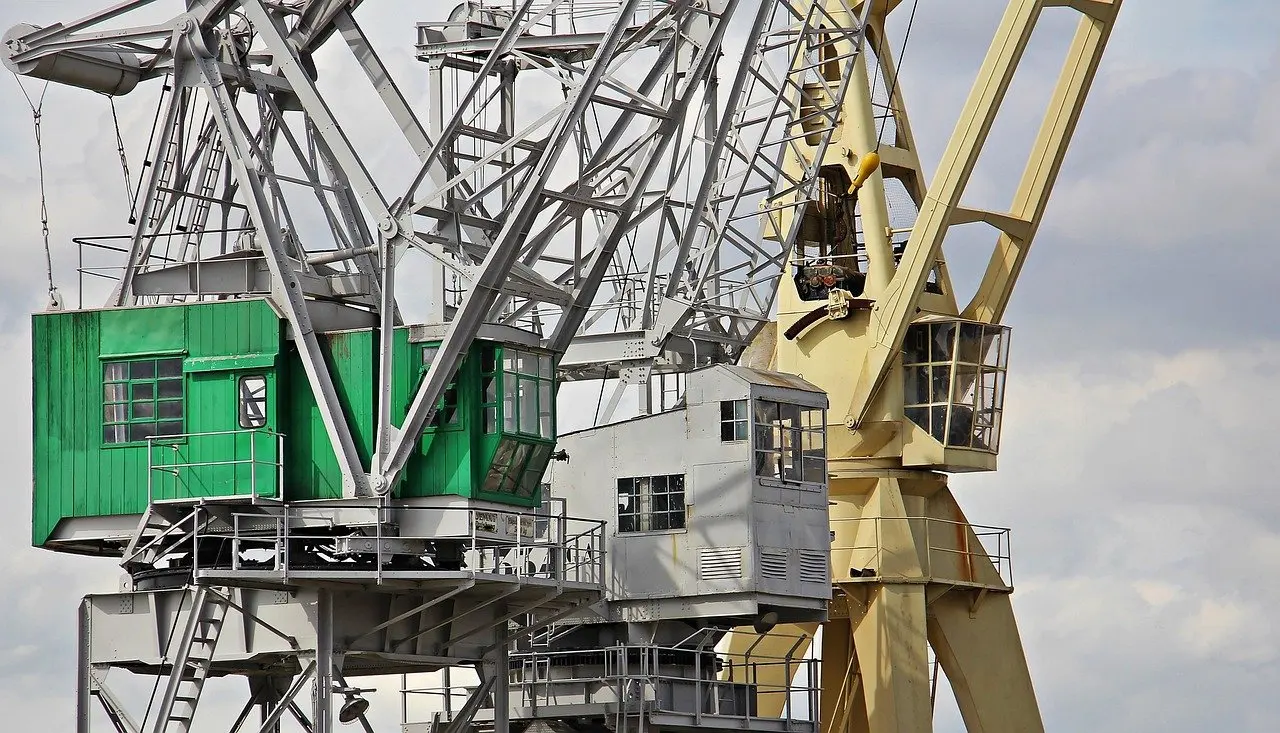
- Equipment and crane capacity. Quay crane numbers set how many boxes a call can move per hour. Compare crane counts for the specific berth, not for the whole company.
- Service pattern. A weekly mainline loop and a feeder rotation behave differently when a vessel is late. Ask which services call each week.
- Cargo type. Containers, empty box repositioning and passenger traffic need different infrastructure. Match your cargo to what the terminal is built for.
- Inland connection. Check road and rail access to your final consignee before comparing quay-side details.
These criteria also expose where the evidence for a comparison is thin. The Balboa side is documented in detail below. Cristobal figures should be requested directly from the terminal operator so they sit on the same basis as Balboa’s.
Port of Balboa: location, build-out and role
The Port of Balboa is the Pacific-side container terminal of Panama Ports Company. It stands on the former La Boca French port site at the Panamanian Pacific end of the canal, according to a terminal profile published on Flickr. That location answers the basic question of what the port is and where it is: a canal-mouth container terminal on the Pacific approach.
The same profile dates the container terminal’s inauguration to November 2000. A third expansion phase was inaugurated in January 2005. A terminal that was expanded within a few years of opening was built for growth, which matters if your volumes are likely to rise.
Its commercial role is as a hub. The profile describes it as acting as a hub for cargo from the west coast of South America and the Caribbean, including repositioning of empty containers. It also names a weekly Postpanamax service, AC-2, which uses six ships between Asia and the west coast of Latin America. For shippers, that means Balboa suits transshipment-style routings, where a box changes vessels, as well as cargo bound for Panama itself.

Treat those as headline planning figures. Berth-by-berth lengths and alongside depths should come from the terminal’s own notices before any vessel nomination.
Cristobal: the Atlantic counterpart
Cristobal is the Atlantic-side counterpart in the Panama Ports Company pairing, on Panama’s Caribbean coast near Colón. Its logic is the mirror of Balboa’s: it serves cargo tied to the Atlantic and the Caribbean rather than the Pacific. Shippers searching for cristobal port terminals are usually deciding whether a Caribbean-side call fits a routing that would otherwise use the Pacific end of the canal.
Cristobal sits alongside other gateways in the Colón area. Those are compared in the guide to manzanillo international terminal panama, which is the better starting point if your decision is between Cristobal and the neighbouring container terminals instead of between coasts.
For practical purposes, request a terminal fact sheet from the operator for Cristobal covering berth length, alongside depth, crane count and the cargo mix it handles. Those four items let you place it against the Balboa figures in the table below without mixing bases.
Side-by-side comparison
| Criterion | Port of Balboa | Cristobal | Planning use |
|---|---|---|---|
| Coast | Pacific end of the canal, former La Boca French port site | Atlantic side, near Colón | Pick by the ocean your service loop serves. |
| Operator | Panama Ports Company | Panama Ports Company | One operator relationship can cover both coasts. |
| Container terminal opened | November 2000 | Request from operator | Age of the terminal hints at layout and expansion history. |
| Quay cranes | 18 | Request from operator | Higher counts support faster vessel turnaround. |
| Draft | 15 meters | Request from operator | Check laden vessel draft against the berth. |
| Throughput milestones | 380,000 TEU in 2001; 1 million TEU in 2006 | Request from operator | Shows how quickly Balboa outgrew its first capacity. |
| Cargo role | Hub for west coast South America and Caribbean cargo; empty container repositioning | Atlantic-side cargo; confirm mix with operator | Match your cargo type to the terminal’s established role. |
Balboa figures come from the terminal profile and the Adimar Ships port agency guide.
Size comparisons need care. The 380,000 TEU figure for 2001 was described as reaching the terminal’s maximum capacity at that time, so it records a capacity limit in the early years and not a current annual rate. Use the 2006 milestone to see how far the terminal had moved on, and ask the operator for current annual TEU before using either number in a business case.
Panama Ports Company as the common operator
Panama Ports Company runs both terminals, and the company’s own profile states that it holds 30% of the cargo moving through Panamanian ports. That is a company-stated share, so treat it as the operator’s positioning and not an independent market measurement. It does indicate that a single operator relationship gives access to a meaningful portion of the country’s port activity.
For a shipper, the single-operator structure has a practical consequence. Terminal booking terms, documentation routines and customer contacts can be harmonised across the coasts, which simplifies a routing that uses Balboa on one leg and Cristobal on the other. The caution is that the same operator does not mean the same equipment or the same depth, so confirm each terminal’s physical limits separately.
Who should choose which terminal
Choose Balboa when
- Your cargo is Pacific-linked. Asia to west coast Latin America flows, such as the AC-2 service, run through the Pacific end of the canal.
- You need a transshipment hub. Balboa’s described role in west coast South America and Caribbean cargo suits boxes that change vessels in Panama.
- You reposition empties. Empty container repositioning is part of the stated role, which helps carriers balancing equipment.
Choose Cristobal when
- Your cargo is Atlantic-linked. Caribbean and Atlantic services are naturally served from the Colón side.
- Your consignee is near Colón. A shorter inland leg can matter more than a quay-side difference.
Edge cases
A routing that crosses the isthmus, with a Pacific arrival and an Atlantic departure, needs both terminals and a landside link between them. Check the road and rail options, including transit time and handover points, with the operator before relying on that sequence. Oversized loads and vessels near the published draft limit should be raised with the terminal early, because a 15-meter draft is a planning figure and not a guarantee for every berth and tide.
Frequently asked questions
| Question | Answer |
|---|---|
| How many quay cranes does Balboa have? | An agency guide to Balboa port services describes the Panama Ports Company terminal as operating with 18 quay cranes and a 15-meter draft. |
| Who operates the Port of Balboa? | Panama Ports Company operates the container terminal, which opened in November 2000 at the Pacific end of the canal. |
| Can Balboa and Cristobal figures be compared directly? | Only if both come from the same operator document on the same basis. Ask Panama Ports Company for berth length, alongside depth, crane count and annual TEU for each terminal. |
| Is Balboa only for cargo bound for Panama? | No. Its profile describes a hub for west coast South America and Caribbean cargo, plus empty container repositioning. |