The Colon Free Trade Zone is Panama’s wholesale re-export centre, where merchandise arrives from the Far East and is sold on to other markets. Buyers should match their product to the zone’s merchandise mix first, then confirm the zone’s own rules.
The zone sits inside a wider network of ports, rail and canal services, which the panama logistics hub guide maps out. This page stays on the zone itself: what it is, what it sells, how its trade has moved and how a buyer approaches it.
Is the zone the right place to buy?
A wholesale buyer with a list of apparel, electronics or beauty products and a customer base elsewhere in Latin America usually wants one place to source several lines. The Colon Free Trade Zone is built for that pattern. Export.gov’s guidance on Panama’s foreign trade zones describes it as the second largest free trade zone in the world, after Hong Kong, and as a hub where goods are imported and then exported again.
Use these decision points to judge fit quickly:
- Your product is on the merchandise list. Clothing, footwear, electronics, pharmaceuticals, perfumes, cosmetics, liquor, cigarettes, textiles, linens and fine jewelry are the main lines the zone handles. Products outside that range deserve a separate check before you plan a trip.
- Your customers are in Latin America. The documented re-export flow runs from Asia to markets such as Venezuela and Colombia, so the zone suits buyers who resell regionally rather than buyers who need a single item.
- You can accept a changing market. Trade through the zone has fallen in recent reported years, which is covered below. Buyers who depend on one destination country should watch that closely.
What the zone is and how it works
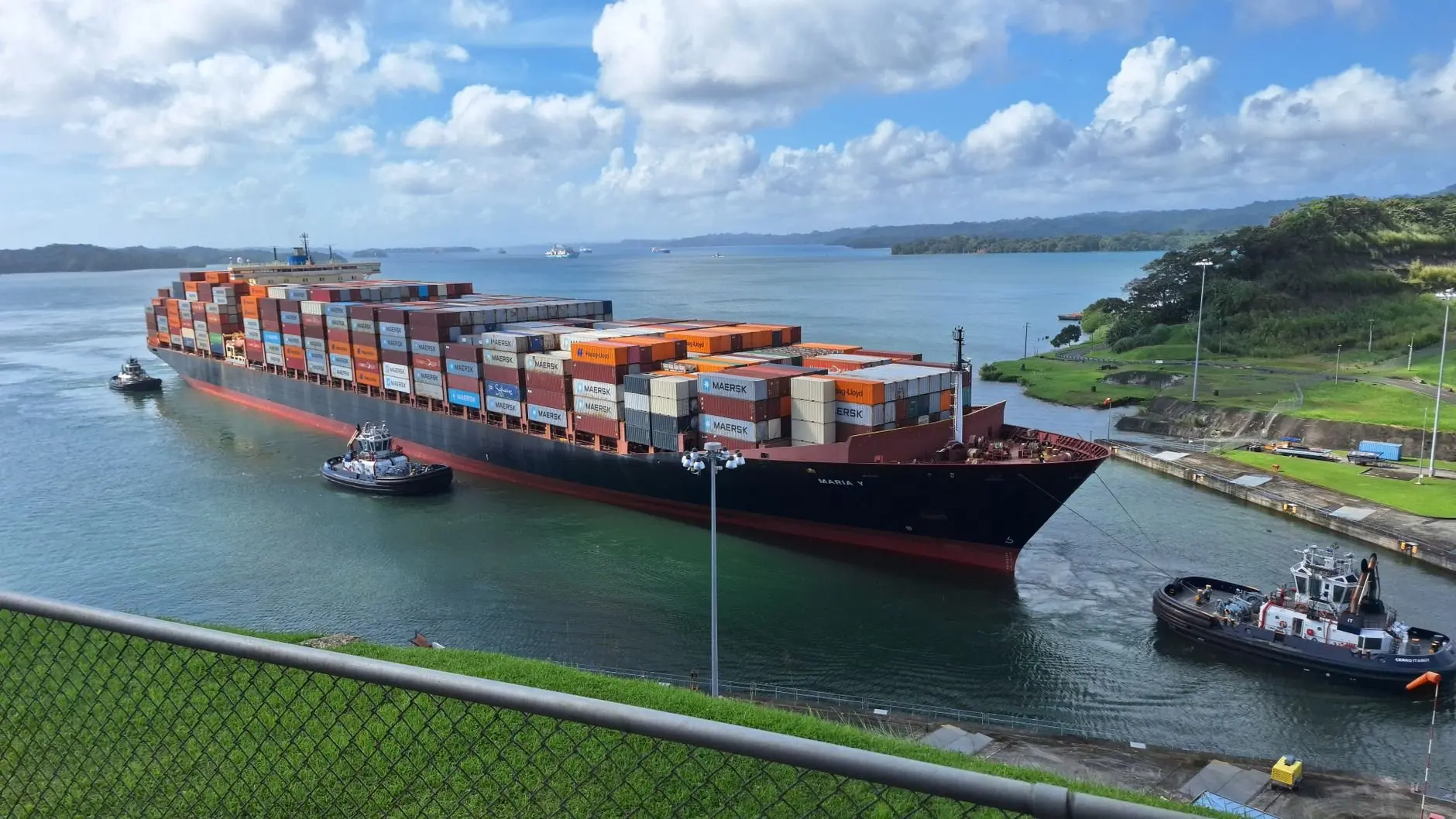
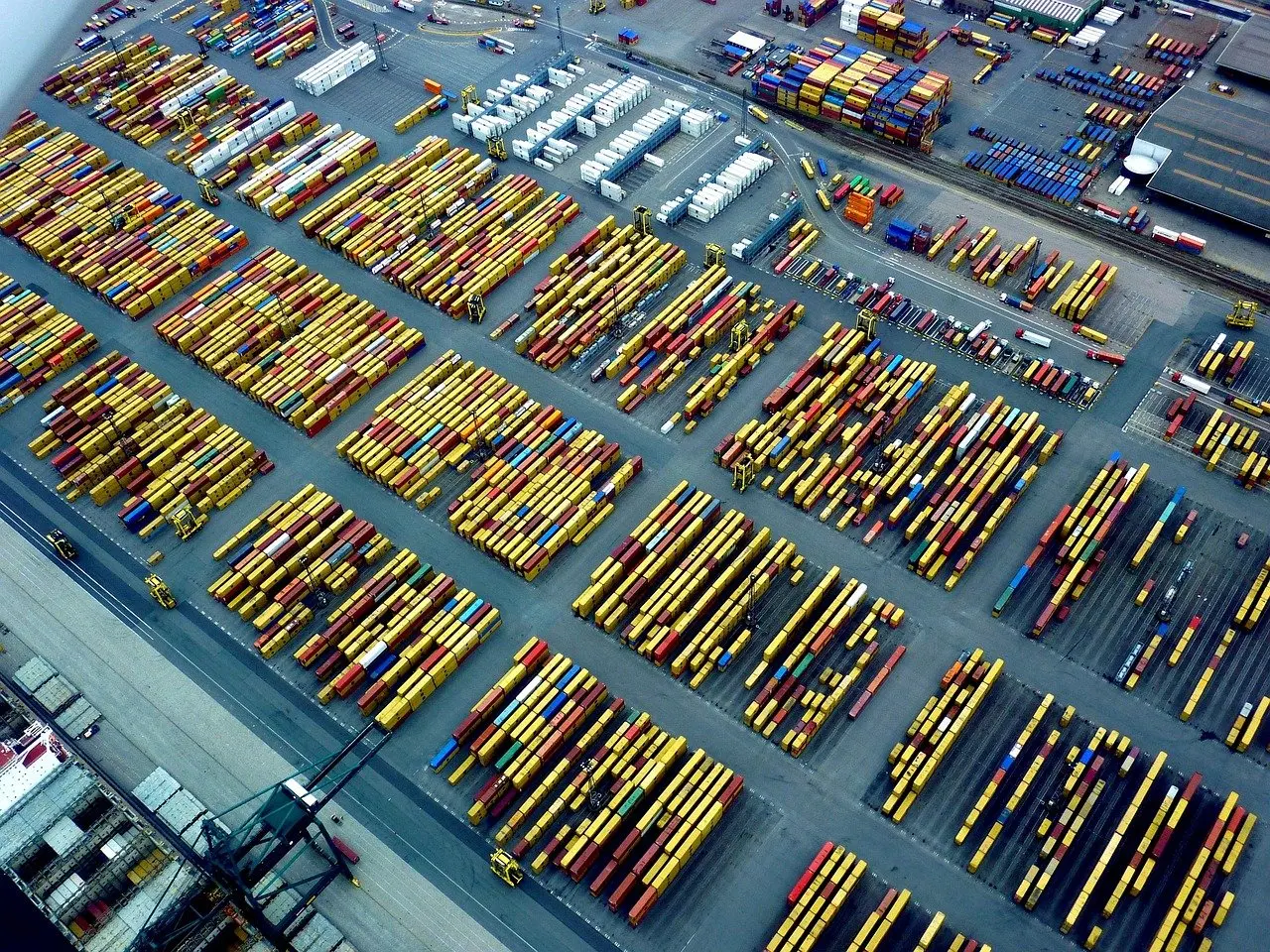
The Colon Free Trade Zone is a legally defined commercial area where merchandise is imported, held and re-exported. Its value to a buyer comes from combining many suppliers’ stock, ready for dispatch, in one location. The same export.gov guidance notes that most of what passes through is transshipped from the Far East, particularly China, Hong Kong and Taiwan, and then sent on to Venezuela and Colombia.
That flow explains how the zone works in practice. Goods arrive in bulk, are stored and sold in the zone, and leave in smaller consignments built for each customer’s market. The zone therefore acts as a regional breaking-point between Asian manufacturers and Latin American resellers.
When and why the zone was created
Law 18 of 1948 established the Colon Free Zone, according to export.gov. That makes it a long-standing institution rather than a recent logistics scheme, and its age is one reason Asian exporters and Latin American wholesalers already know how to use it.
The reason for its existence is visible in what it does today. It gives merchandise a place to be imported and re-exported under a dedicated regime, so a buyer does not need to build a separate distribution base in each destination country. The zone’s rules come from this 1948 law rather than from the later framework for other zones, a distinction that matters for the customs section below.
Which products to look for
The zone’s merchandise mix is consumer-oriented and varied. Match your category to the table before you plan supplier meetings, and use the planning column to decide what to verify first.
| Buyer need | Zone merchandise that matches | Planning use |
|---|---|---|
| Fashion and household textiles | Clothing, footwear, textiles and linens | Good starting point for resellers who mix several soft-goods lines in one order. |
| Consumer technology | Electronics | Confirm that the models you want are accepted in your destination country before you commit stock. |
| Health and beauty | Pharmaceuticals, perfumes and cosmetics | Check destination-market import conditions for medicines and cosmetics before ordering. |
| Regulated and premium goods | Liquor, cigarettes and fine jewelry | Expect closer scrutiny at the destination border, so settle documentation early. |
Product categories are drawn from export.gov’s Panama foreign trade zones guidance.
Reading the trade figures before committing
Annual trade through the zone has been large but has been shrinking. Export.gov reports that imports and exports through the zone were US$30 billion in 2012, US$27 billion in 2013, US$24 billion in 2014 and US$21 billion in 2015.
The same source attributes the roughly 20 percent decrease over three years to changing Chinese logistics, troubles in Venezuela and a trade dispute with Colombia. Those causes are specific to the zone’s two main destination markets and to its Asian supply side.
What this means for a buyer:
- A large zone is not a guaranteed stable one. Lower throughput can change how many suppliers carry a given line, so confirm availability for your category rather than assuming the historic range.
- Destination risk is real. If your customers are in Venezuela or Colombia, the factors named above bear directly on your resale plan.
- Diversified buyers are more resilient. A buyer who sells into several markets is less exposed to one country’s disruption than one dependent on a single route.
Customs and tax rules for goods entering and leaving
Panama regulates its other free trade zones under Law 32 of 2011, and that law does not include the Colon Free Zone, according to export.gov. The Colon zone operates under its own regime, rooted in Law 18 of 1948.
The practical conclusion is to avoid applying rules you have read about for another Panama zone. Entry and exit conditions, document requirements and any tax treatment should be confirmed for the Colon zone specifically.
- Ask the supplier and a customs broker. Request written confirmation of the paperwork needed to take goods out of the zone, including what the destination country will require on arrival.
- Keep the two stages separate. Rules for goods entering the zone from Asia differ in purpose from rules for goods leaving toward your market, so plan each stage with its own documents.
- Do not rely on generic free-zone assumptions. Treatment of duties and taxes depends on the zone’s own regime and on the importing country, so verify before you price your goods.
Moving goods out: ports, rail and dispatch
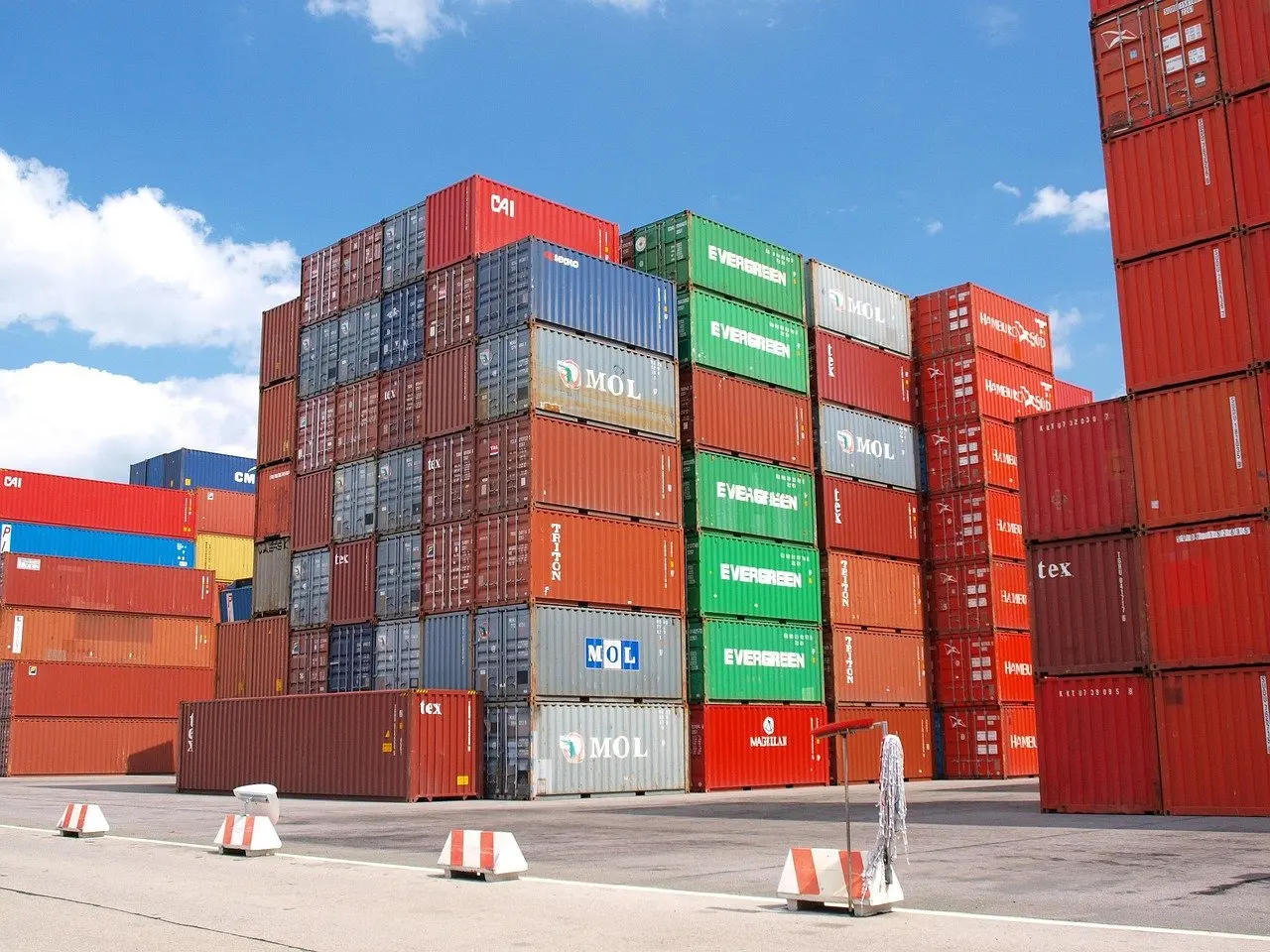
Once you have bought, the job is to get cargo to your market. Re-exports leave the zone as palletised or containerised consignments, and the choice of terminal affects schedules and handling. The manzanillo international terminal panama guide compares the container terminals at Colon, which helps when you are deciding where your consignment will sail from.
Rail is the other option for moving boxes across the isthmus, and the panama canal railway guide covers that corridor. Check both before you finalise a quote, because the cheapest ex-warehouse price can be offset by an awkward onward leg.
A practical buying sequence
Follow this order to avoid the common mistakes of buying before the destination rules are clear.
- Define the category. Pick the product lines from the merchandise list that fit your customers.
- Check destination conditions. Confirm what your own country or customers’ country requires for those products.
- Request itemised quotes. Ask for unit prices, minimum order quantities and the stage at which the price applies, such as ex-warehouse or delivered.
- Confirm the paperwork. Get the zone exit documents and customs requirements in writing with a broker’s help.
- Arrange freight. Book the terminal or rail leg and align it with the warehouse release.
When the zone is the wrong fit
Some buyers should look elsewhere or add a second source.
- Your product is outside the zone’s usual range. Heavy industrial inputs and similar goods are not among the main categories listed, so test the market with enquiries before travelling.
- Your resale depends on one troubled market. The documented decline tied to Venezuela and Colombia suggests spreading orders across more than one destination.
- You expect other free-zone rules to apply. Because Law 32 of 2011 excludes the Colon zone, reading about other Panamanian zones will not settle your customs questions.
Frequently asked questions
| Question | Answer |
|---|---|
| Which law set up the Colon Free Zone? | Law 18 of 1948 established it, per export.gov. |
| Does Law 32 of 2011 apply to it? | No. That law regulates Panama’s free trade zones but does not include the Colon Free Zone. |
| Where do re-exported goods mostly go? | The documented flow is merchandise transshipped from China, Hong Kong and Taiwan to Venezuela and Colombia. |
| Is trade through the zone rising? | Reported totals fell from US$30 billion in 2012 to US$21 billion in 2015. |